

The lunar experience in video games spans a rich tapestry of mechanics and atmospheres, reflecting humanity’s fascination with its celestial neighbor. As we await the launch of Artemis II, a mission set to carry humans back to the Moon, it’s a fitting opportunity to explore games that immerse players in lunar explorations, each offering unique gameplay systems that engage the player in their space adventures.
The Best Moon-Based Games to Enjoy Waiting for Artemis II to Launch
The Moon has captivated the imaginations of game developers, surfacing in countless titles that range from light-hearted explorations to serious ventures into darker themes. It’s been a stage for both adventure and horror, often representing humanity’s relentless ambition and the inherent risks tied to such exploration. If you’re eager to amplify the excitement surrounding the impending Artemis II launch, consider diving into these remarkable moon-themed games.
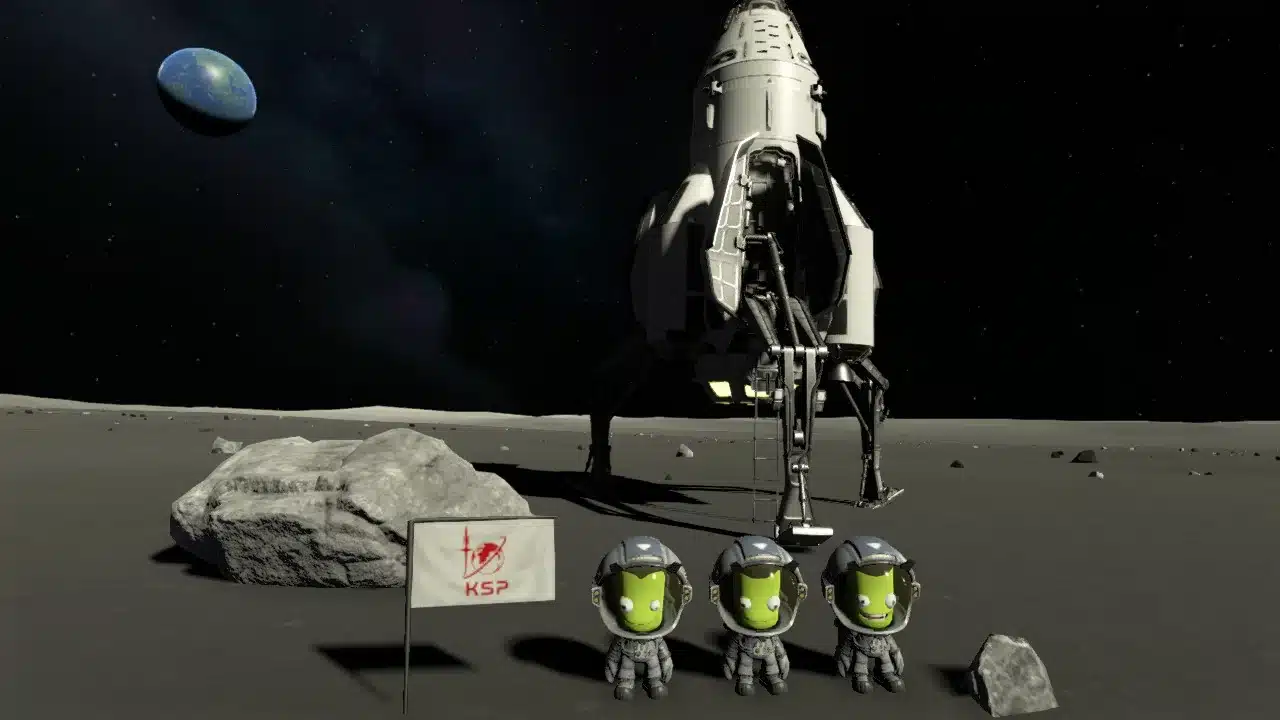
Kerbal Space Program
A standout in the realm of spacers, Kerbal Space Program (KSP) elevates the concept of lunar travel through its intricate and engaging gameplay mechanics. Although the game features a fictional moon called the Mun, it serves as a compelling representation of real-world space missions, including NASA’s upcoming endeavors. KSP meticulously simulates orbital mechanics, thrust balance, and fuel management, allowing players to experience the complexities of space travel firsthand.
The core gameplay revolves around launching spacecraft and navigating through vast celestial bodies, with the objective of successfully landing on the Mun. Players must employ strategic foresight when planning missions, timing their transfers to optimize fuel efficiency—a challenge that echoes the calculations required for real-life missions like Artemis II. KSP’s strength lies not only in its educational value but also in its capacity to transform intricate aerospace principles into an accessible sandbox experience, where each launch can result in triumph or catastrophic failure.
Deliver Us the Moon
In contrast to the playful nature of KSP, Deliver Us the Moon immerses players in a more somber atmosphere. Set in a near-future dystopia where lunar resources sustain Earth, players assume the role of an astronaut tasked with investigating an abandoned lunar base. This game emphasizes survival and atmospheric storytelling, as players wander through desolate environments filled with abandoned technology.
The gameplay mechanics focus on exploration and problem-solving, guiding players through the remnants of humanity’s lunar ambitions. Unlike frantic space simulations, Deliver Us the Moon invites players to engage in a reflective experience, emphasizing the importance of lunar missions and their consequences. With atmospheric sound design and visuals that depict a desolate lunar landscape, it creates an unsettling yet engaging experience that resonates with the ongoing themes of ambition and isolation inherent in space exploration.
Elite Dangerous
Elite Dangerous expands the scope of lunar exploration into a broader universe, allowing players to navigate a massive galaxy where various planetary systems exist, including our very own Moon. While it may not permit direct lunar landings, it captures the spirit of exploration and adventure through its detailed universe-building and dynamic gameplay systems.
Players engage in trading, space combat, and exploration, with a multitude of opportunities to discover uncharted territories. The game’s technical improvements, including extensive graphics updates and immersive sound design, contribute to a sense of scale that makes the player feel small in a vast universe. For those who dream of future space exploration missions, Elite Dangerous paints an ambitious picture of what lies beyond the Moon, inviting players to imagine boundless possibilities in a living galaxy.
Lunar Lander
A true classic, Lunar Lander strips the experience down to its most fundamental mechanics: navigate, land, and survive. This game challenges players with simple yet demanding vector graphics, emphasizing the physics of gravity and thrust management. Players face the daunting task of landing a spacecraft on the Moon’s surface while managing limited fuel and executing precise movements, creating intense moments that require both skill and patience.
Lunar Lander serves as a historical benchmark in video game design, encapsulating the tension and thrill of lunar landings long before modern graphical simulations emerged. Its straightforward gameplay remains a relevant and engaging experience, highlighting the fundamental challenges that astronauts face during real lunar missions.
The Rest
These notable games are merely a glimpse into the vast content available that features the Moon. Titles such as segments from Wolfenstein: The New Order and the lunar storyline in Mass Effect have long contributed to the lunar genre. As humanity prepares for renewed exploration through missions like Artemis II, the gaming community can expect a revitalized interest in lunar-themed content, reflecting our enduring curiosity about this celestial body.
How to Watch Artemis II’s Mission to the Moon
For those eager to witness the Artemis II launch firsthand, NASA will host live streams across their official channels. Coverage kicks off well before the actual launch, incorporating commentary, mission briefings, and crucial preparatory shots of the rocket. Anticipate that coverage will reveal both the excitement of launch preparations and the reality that delays are an inherent part of space travel, reminding us that even the most ambitious endeavors require patience.
How Does Artemis’ Launch Countdown Work?
The launch countdown for Artemis II is a precisely orchestrated affair, commencing nearly 48 hours before the scheduled liftoff. This phase involves energizing systems, fueling the rocket, and conducting a series of thorough checks. Planners integrate intentional pauses in the countdown, ensuring that engineers can confirm everything meets operational standards. The last 10 minutes of the countdown, often referred to as the “terminal count,” is particularly tense, with potential stops to assess system readiness before final confirmation.
This approach showcases the complex interplay between technology and preparation, ensuring that NASA can optimize mission success while prioritizing safety. It’s a meticulous and methodical process that reflects the demanding nature of space exploration, serving as a reminder of the immense coordination necessary to achieve monumental milestones such as a moon landing.