

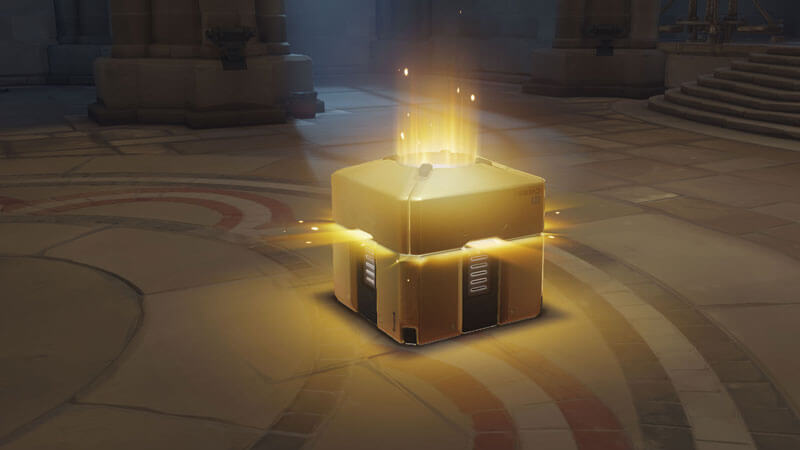
In an unprecedented move within the competitive gaming landscape, Blizzard Entertainment has announced the return of loot boxes as part of a celebratory event marking the anniversary of Overwatch. This decision revives a mechanic that had largely fallen out of fashion in the industry, reflecting a strategic shift in response to community demand for nostalgia and incentivized progression. With the addition of over 20 new skins—including notable Mythic variants—the event promises to reignite both excitement and skepticism among players.
Tournament Overview
As player anticipation builds for the anniversary event, Blizzard confirmed the strategy via an official communication, detailing its commitment to meeting player demands for legacy content. The inclusion of limited-time loot boxes not only enhances gameplay engagement but also offers fans a taste of “Old Overwatch” vibes, which many long for in the current gaming landscape dominated by battle passes and other monetization models.
Team and Player Performance
With the return of loot boxes, players are tasked with completing event challenges or leveling up to unlock these coveted rewards. The mechanic works as previously established, appealing to a nostalgic sense of progression. For those preferring not to grind through thirty matches of a specific game mode like Mystery Heroes, there remains the option to purchase loot boxes directly, providing flexibility in player experience. However, Blizzard has clarified that these boxes will only offer purely cosmetic items, ensuring no competitive advantages can be gained, much to the relief of many within the esports community.
Competitive Strategies
The introduction of the new skins stands out as a pivotal element of the event. Players will have the opportunity to earn and showcase skins such as “Cyber-Knight” Reinhardt, which boasts a futuristic design, and a “Flashback” skin for Tracer that pays homage to her original concept art. Such cosmetic updates may influence gameplay strategies, as personalization becomes a motivating factor for players seeking to stand out both in casual matches and competitive arenas.
Community and Audience Reaction
The reaction from the community has been a mixed bag—both excitement and apprehension fill the digital airwaves. Some players express joy over the potential for randomized drops, capturing a thrill that the current model has failed to replicate. Meanwhile, others reflect a degree of wariness about the implications of backtracking on the established, more structured progression systems. “Opening a box and seeing that gold disc fly into the air provides a rush that simply clicking ‘tier 45’ on a progress bar cannot match,” a community member remarked, encapsulating the nostalgic allure.
Further engaging the community, Aaron Keller, the director of Overwatch, took to Twitter to address these changes and the overall sentiment surrounding the anniversary. His acknowledgment of a decade of Overwatch as a significant milestone underscores a commitment to player engagement and feedback as pivotal to game development.
Esports Industry Impact
This return to loot boxes represents more than just a nostalgic venture; it acts as a potential olive branch in the wake of criticisms surrounding Overwatch 2’s monetization strategies. By reintroducing this feature, Blizzard acknowledges a significant shift in player expectations regarding progression and rewards. Industry observers argue this move may be indicative of broader trends as gaming companies grapple with finding a balance between profitability and player satisfaction.
Future Matches and Expectations
The forthcoming weeks are poised to be a whirlwind for players eager to complete their collections amidst a flurry of throwback content. While some players anticipate frustration when facing duplicate drops, others are enthusiastic about diving into the archive of seasonal brawls that will also make a return. Classics such as Lucioball, Junkenstein’s Revenge, and Mei’s Snowball Offensive will be part of a daily rotation, inviting players to rekindle past experiences.
As Blizzard embarks on this nostalgia-fueled journey, the community is invited to reignite old traditions and explore new strategies. For competitive players, this could present an excellent opportunity to showcase their skills in beloved game modes while collecting new cosmetics. As players dust off their charm and prepare for the grind, one thing remains clear: this event is sure to have a significant impact on the competitive landscape of Overwatch 2, setting the stage for future innovations in gameplay and player engagement.