

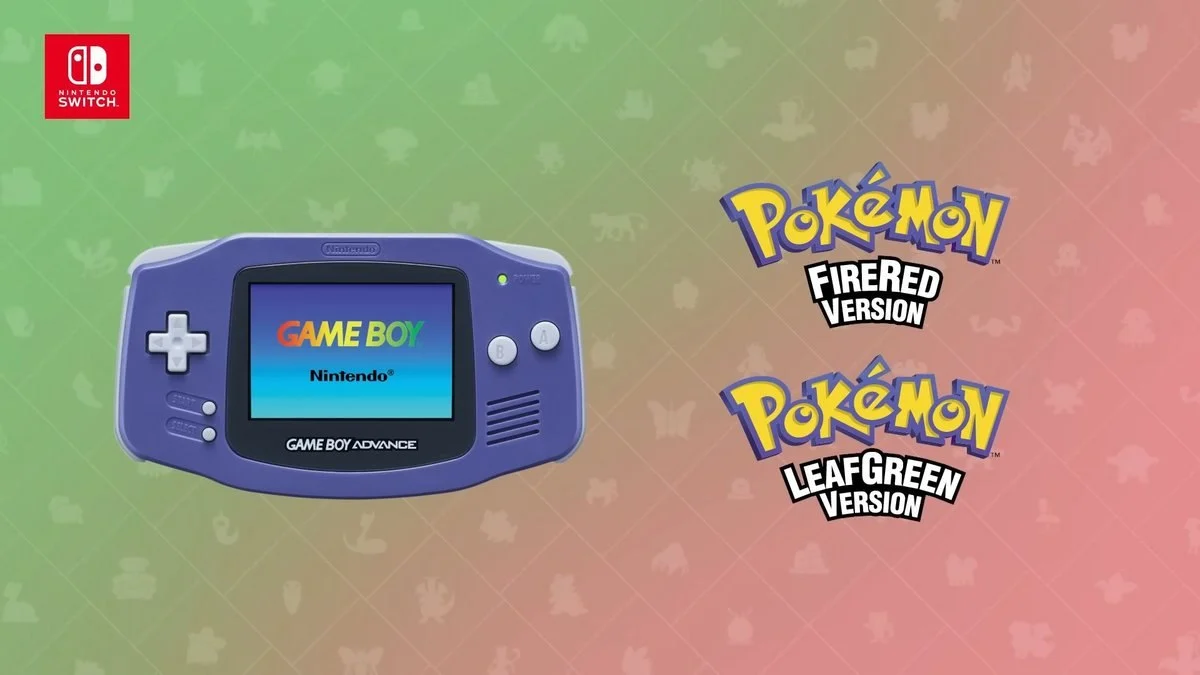
Nintendo’s recent announcement regarding the return of Pokémon FireRed and LeafGreen to the Nintendo Switch eShop has ignited a heated debate within the gaming community. With a release date set for February 27, the classic Game Boy Advance titles will be available for individual purchase at $20 each, rather than being included in the Nintendo Switch Online subscription. While some players have expressed backlash regarding the price for these aged games, a closer examination reveals that this decision may hold greater significance than the initial sticker shock suggests.
Community Perspective
The immediate reactions from the community have ranged from excitement to confusion, especially considering the $40 total for two remakes that are over two decades old. Yet, this criticism overlooks an important aspect: access. For many fans, FireRed and LeafGreen have not been readily available since their original release on the Game Boy Advance. No classic Pokémon game has made its way to modern consoles easily, leaving players often contending with costly and unreliable secondhand markets or resorting to emulation, which, while accessible, lacks the authenticity that comes from playing on official hardware.
Gameplay Discussion
The nostalgic charm of FireRed and LeafGreen lies in their roots as remakes, faithfully updating the original Pokémon Red and Blue while maintaining their unique pixel-art aesthetic. Many long-time fans are eager to return to Kanto, traversing familiar landscapes and re-experiencing treasured memories. For those who have never had a chance to play these titles due to the aforementioned barriers, the upcoming eShop release is an invaluable opportunity. This sentiment positions the release not just as a commercial decision, but as a pivotal moment for preservation in gaming culture.
Industry Relevance
Nintendo’s choice to release FireRed and LeafGreen at a standalone price implies a strategic approach to game distribution. With the overwhelming popularity of the Pokémon franchise—boasting over $100 billion in revenue—a sound argument can be made for expanding access to these classic titles. The gaming landscape has evolved, and preserving the legacy of such iconic titles on modern platforms helps bridge generational gaps among players.
Player Expectations
For many gamers, approaching FireRed and LeafGreen will be a fresh endeavor. Players who have only experienced the later generations of Pokémon may find the pixel-art graphics and turn-based gameplay to be a welcome contrast to modern game design. Additionally, titles like Let’s Go Pikachu! and Let’s Go Eevee! introduced a new generation to the Kanto narrative but didn’t recapture the essence of the originals for some. The current re-release could satisfy that longing for the classic experience, fulfilling a desire for authenticity amidst a growing collection of remakes.
Challenges and Concerns
While the prospect of accessing FireRed and LeafGreen is thrilling, some industry critics and players continue to voice concerns surrounding the decision to price these remakes at $20 each. It has spurred a conversation about the nature of digital sales, streaming versus ownership, and the value proposition Nintendo presents to its consumers. The challenge lies in balancing nostalgia and accessibility against explicit pricing strategies. An argument can be made that producing these classic titles for modern systems comes with developmental costs that justify the price, but the reaction from a consumer base already wary of corporate practices in gaming also adds a layer of complexity.
Long-Term Impact
Should FireRed and LeafGreen sell successfully, we could see a significant ripple effect across the Pokémon franchise. This success might pave the way for similar releases of other remakes or older titles that remain absent from the current consoles. It’s vital for the industry to recognize the importance of offering classic titles in accessible formats; doing so can both satisfy nostalgic gamers and introduce new fans to timeless experiences in gaming history.
The trend of more re-releases on modern platforms also speaks to a broader issue regarding game preservation. As the community advocates for the importance of retaining access to gaming history, initiatives like these can serve as a benchmark for how both developers and publishers approach older titles going forward. With a path to experiencing FireRed and LeafGreen officially, players can engage with iconic moments from gaming’s past—an endeavor that holds immense value, particularly as we continue navigating the evolving landscape of the gaming industry.
In summary, while the pricing of Pokémon FireRed and LeafGreen may have sparked discord within the community, this release signifies a potential turning point for both legacy preservation and accessibility within the gaming landscape. Ultimately, whether you’re excited or skeptical, there’s no denying that these titles hold a cherished place in gaming culture.