



Transforming the Game: The Current Landscape of Esports
The esports industry is undergoing an impressive evolution, both in terms of gameplay and viewership. With a surge in competitive gaming tournaments, professional gamers are not just participants but influencers in a rapidly growing digital culture. This article will delve into the state of esports, exploring tournaments, player performance, strategies, and the various dynamics shaping this multifaceted ecosystem.
Tournament or Gaming News Overview
Esports tournaments have reached new heights in recent months, particularly with major events like The International for Dota 2 and the League of Legends World Championship attracting millions of viewers. These tournaments are not merely competitions; they are digital spectacles, boasting substantial prize pools and garnishing attention from traditional media outlets.
With gaming leagues like ESL Pro League for Counter-Strike and the Overwatch League continuing to expand, the competitive gaming horizon looks promising. Players are not only representing their teams but are also stepping into the role of brand ambassadors, enhancing the overall viewership experience.
Team and Player Performance
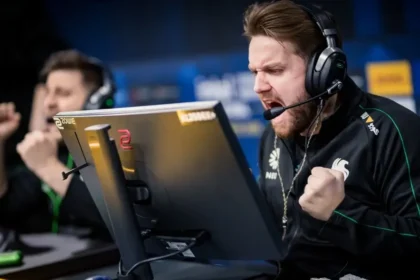
Evaluating team and player performance is a critical aspect of competitive gaming. Recent tournaments have highlighted star players such as S1mple in CS:GO and Faker in League of Legends, whose exceptional skills redefine gameplay. Teams are meticulously analyzing performance metrics and adapting their strategies based on individual and collective strengths.
Tracking player statistics, such as kill/death ratios and participation rates, allows teams to fine-tune their line-ups and in-game tactics. Additionally, fan engagement is gradually shifting from mere spectatorship to interactive participation, as live polls and chat features allow viewers to feel part of the action.
Competitive Strategies and Meta Analysis
The dynamic nature of competitive gaming brings frequent meta changes, compelling teams to constantly revisit their strategies. Current trends showcase a movement towards more aggressive playstyles, especially in battle royale games like Fortnite and Apex Legends. Teams are leveraging these meta shifts to outmaneuver opponents, relying heavily on teamwork and communication.
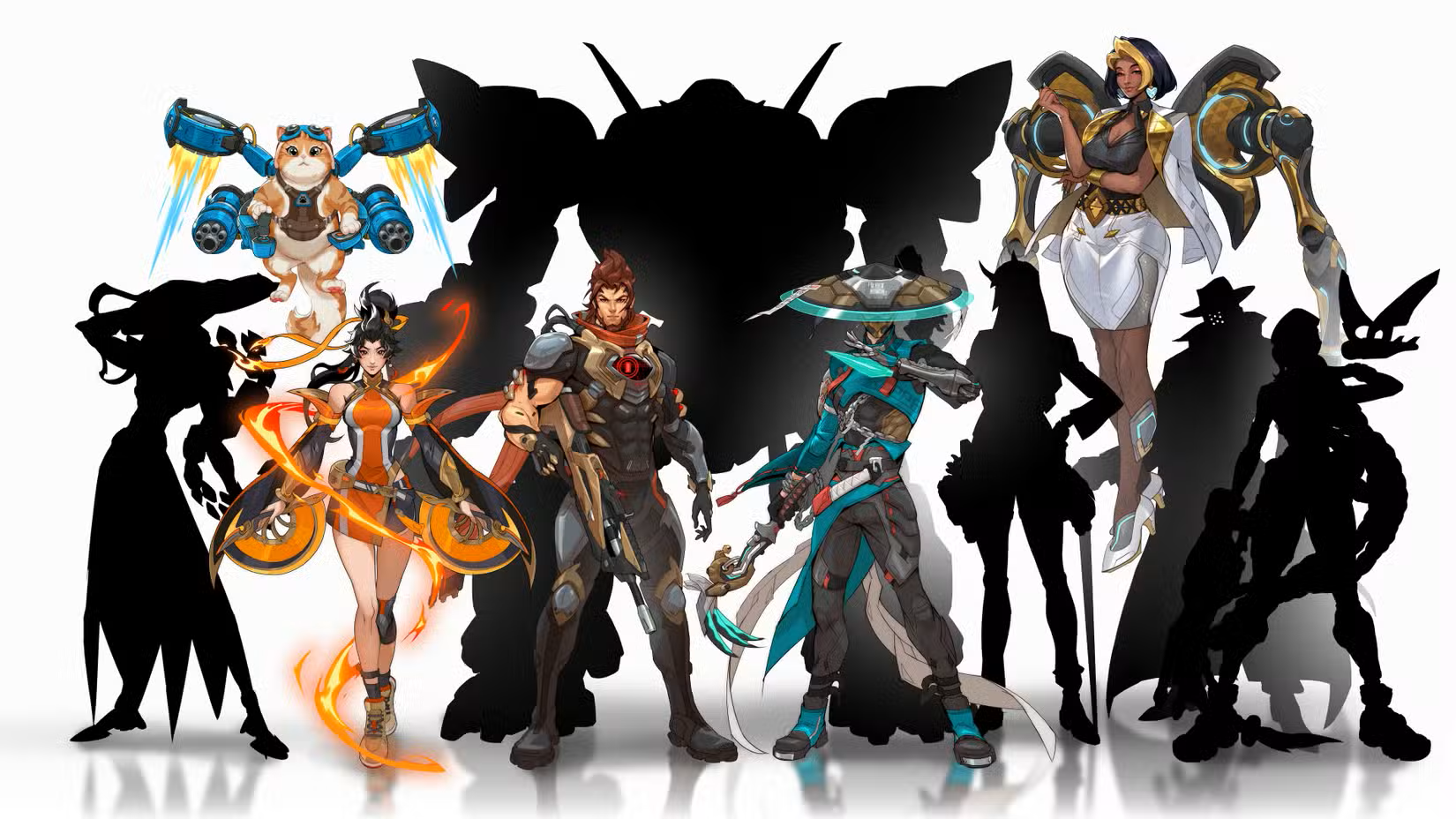
In games like Valorant, for example, agents are being utilized not only based on player preference but also according to the latest shifts in game balance. Understanding these meta changes empowers teams to formulate effective game plans that can decisively influence match outcomes.
Streaming and Esports Industry Trends
The intersection of streaming and esports is vital for the industry’s growth. Platforms like Twitch and YouTube have become essential tools for professional gamers to connect with their audience. Streaming not only showcases gameplay but also offers fans a glimpse into the personal lives of their favorite players, adding a layer of relatability.
Industry trends indicate an increase in sponsorship deals, with brands recognizing the potential of targeted marketing through esports personalities. This shift is evident as companies increasingly invest in streaming talent, paving the way for a more integrated digital marketing approach.
Coaching and Training Insights
The role of coaching in esports is evolving, with many teams employing data analysts and sports psychologists to boost player performance. Training regimens are more structured, focusing on specific skills such as reflexes and strategy execution. Personalized coaching has become prevalent, allowing players to refine their unique roles within the team.
Moreover, organizations are starting to invest in mental health resources, recognizing that the pressures of high-stakes competition can impact player wellness. As a result, the scope of training has expanded beyond just gameplay to include physical fitness, nutrition, and psychological resilience.
Challenges in Competitive Gaming
Another challenge is the ever-evolving technology landscape. Keeping up with the latest gaming hardware, software updates, and streaming platforms requires adaptability from players, coaches, and organizations alike.
Future of Esports
The future of esports appears robust, with projections indicating continued growth in viewership and revenue. New game titles and advancements in technology, such as virtual reality and augmented reality, promise to provide fresh experiences for players and spectators. As gaming becomes increasingly mainstream, more industries are likely to intersect with esports, further enriching the competitive landscape.
FAQ
- What are esports tournaments? Esports tournaments are competitive events where professional players participate in various video games, often with large prize pools.
- How do gaming leagues operate? Gaming leagues organize matches between teams and allow for ranking based on performance throughout a season.
- What roles do coaches play in esports? Coaches develop strategies, train players, and analyze performance to improve team outcomes.
- How does streaming impact esports? Streaming connects fans with players and gaming content, fostering community engagement and increasing overall viewership.
Conclusion
The esports scene continues to flourish, driven by innovation, passion, and the dedication of professional gamers and organizations. As we look forward to upcoming tournaments and emerging trends, it is clear that the future of competitive gaming is bright, poised for unprecedented heights within both the digital and mainstream arenas.