

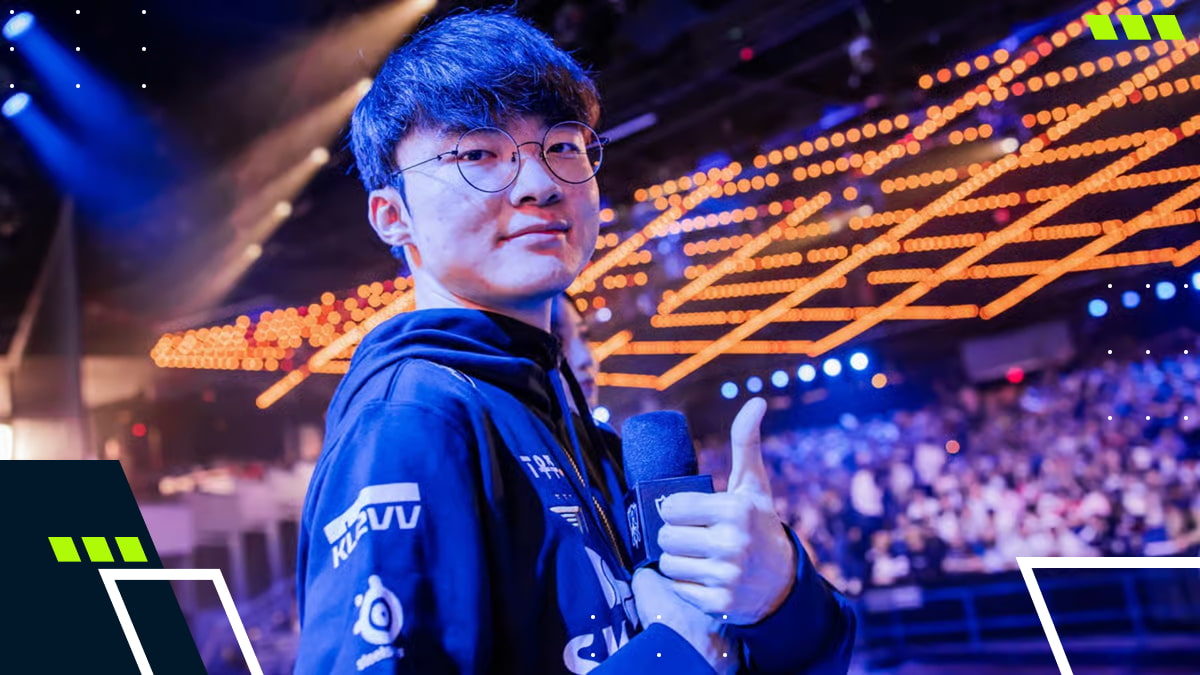

The Rise and Evolution of Esports: A Deep Dive into Competitive Gaming
The esports industry has experienced unprecedented growth over the past decade, transitioning from a niche hobby to a mainstream entertainment powerhouse. With millions of fans worldwide, esports tournaments have become a cornerstone of competitive gaming, featuring professional gamers who dedicate their lives to mastering popular titles. This article delves into the latest trends in the esports landscape, examining tournaments, team strategies, and industry developments that are shaping the future of competitive gaming.
Tournament or Gaming News Overview
Esports tournaments have become marquee events that attract thousands of spectators both in-person and online. Major competitions like The International for Dota 2 and the League of Legends World Championship have set record attendance and viewership figures, with prize pools reaching into the multi-millions. In 2023, notable tournaments include the ESL Pro League for CS:GO and the VALORANT Champions Tour, both of which showcase high-level gameplay and the latest in competitive gaming advancements.
Team and Player Performance
Performance in esports hinges on both individual skill and team dynamics. Teams have adopted specialized roles for their players, maximizing strengths and compensating for weaknesses. For instance, champions like Faker in League of Legends illustrate the impact of star players carrying teams to victory, while others focus on synergistic strategies that promote teamwork. Recent statistics have shown that teams with a dedicated analytics department often outperform their competitors, indicating a trend towards data-driven decision-making in esports.
Competitive Strategies and Meta Analysis
The competitive landscape is consistently evolving due to game updates and meta changes. Games frequently balance character abilities, introduce new maps, or tweak mechanics, which can shift strategies overnight. For example, the recent patch adjustments in VALORANT have led to a resurgence in specific Agents, compelling teams to adapt their approach. Analysis of these changes is crucial; successful teams often scrutinize patch notes and previous match footage to formulate counter-strategies, emphasizing the importance of adaptive playing in competitive gaming.
Streaming and Esports Industry Trends
Streaming platforms like Twitch and YouTube Gaming are vital to the esports ecosystem, allowing fans to connect with professional gamers directly. The trend of broadcasting live tournaments is enhancing audience engagement, offering a blend of entertainment and interaction. Notably, the introduction of features like watch-parties and real-time commentary reflects the move towards a more immersive experience for viewers. With rising sponsorships and partnerships, the financial backing of esports organizations continues to strengthen, demonstrating a promising trajectory for esports media.
Coaching and Training Insights
Coaching has become a cornerstone of team success, with professional coaching staff often extending beyond traditional in-game tactics. Today’s coaches analyze gameplay extensively, preparing tailored training regimens that incorporate mental conditioning, teamwork exercises, and strategy sessions. Workshops focusing on communication and conflict resolution are gaining traction, enhancing squad cohesion and performance under pressure. This modern approach illustrates the multifaceted role of coaches in cultivating top-tier esports talent.
Challenges in Competitive Gaming
While the esports industry has burgeoned, it is not without challenges. Professional gamers face immense pressure to perform, and issues like burnout, mental health struggles, and work-life balance have gained public attention. Additionally, the industry grapples with concerns regarding player contracts and financial stability. As the market grows, establishing fair practices and ensuring player welfare will be essential for sustainable development in competitive gaming.
Future of Esports
The future of esports looks promising, characterized by increased investment and wider recognition. As technology advances, immersive experiences such as virtual reality tournaments may emerge, pushing boundaries for both players and viewers. Furthermore, the integration of esports in educational institutions is becoming more prevalent, paving the way for a new generation of gamers. These shifts indicate that the esports industry is not merely a passing trend, but rather a long-term segment of the global entertainment marketplace.
FAQ
- What are esports tournaments? Esports tournaments are competitive events where professional gamers battle in various video games for prizes and accolades.
- How do teams prepare for esports competitions? Teams prepare through a combination of practice, strategic analysis, and coaching support to enhance performance.
- What impact do game updates have on competitive gaming? Game updates can change character abilities and gameplay mechanics, affecting team strategies and player performance.
- How does streaming support the esports industry? Streaming platforms provide a medium for fans to engage with competitions, enhancing visibility and generating revenue through sponsorships.
- What are the mental health challenges in esports? Professional gamers may face stress and burnout, making mental health support crucial for their well-being.
Conclusion
As the esports landscape continues to evolve, the confluence of competitive gaming, innovative strategies, and technological advancements paints a vibrant picture for the industry’s future. From thrilling tournaments to intricate team dynamics, every aspect of esports contributes to a rich tapestry that captivates millions. As we look ahead, embracing challenges and recognizing opportunities will be key to sustaining growth and enhancing player experience in this dynamic field.