

Esports has surged into mainstream popularity over the past decade, bringing competitive gaming into the spotlight. The dynamic landscape encompasses esports tournaments, professional gamers, and various gaming leagues, each contributing to the intricate tapestry of this thriving industry. In this article, we delve into the latest developments in esports, focusing on tournament highlights, player performances, competitive strategies, streaming trends, coaching methodologies, and the future of esports.
Tournament and Gaming News Overview
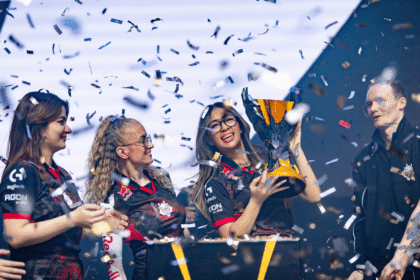
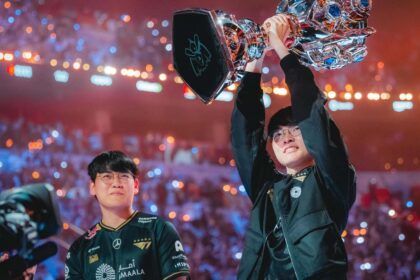
Esports tournaments have become pivotal events, drawing massive online viewership and cultivating a passionate community. Recent tournaments, such as The International for Dota 2 and the League of Legends World Championship, have once again showcased the high-stakes competition and the impressive skill levels of participants. As organizations continue to invest heavily in these events, prize pools have amplified, exceeding millions of dollars, further attracting top talent and fan engagement.
Team and Player Performance
The success of a team in esports heavily relies on the synergy and performance of individual players. Teams like Team Liquid and FaZe Clan have exemplified exceptional coordination, reflecting well in their performance metrics. Star players such as ‘s1mple’ in CS:GO and ‘Faker’ in League of Legends not only elevate their teams but also redefine what it means to be a professional gamer. Their gameplay frequently leaves an indelible mark on the community, influencing aspiring players and team dynamics.
Competitive Strategies and Meta Analysis
The strategies employed in competitive gaming can vary significantly from game to game. Understanding the meta—essentially the most effective tactics available—is crucial for teams to devise winning strategies. Regular updates and patches can shift the meta dramatically, prompting teams to adapt through rigorous practice and collaboration. For example, recent changes in Valorant’s agent abilities have sparked new strategies that teams are eagerly exploring to exploit these shifts to their advantage.
Streaming and Esports Industry Trends
The rise of platforms like Twitch and YouTube Gaming has revolutionized the way fans interact with esports. Streaming has expedited the growth of esports by enabling direct engagement between professional gamers and their fans. With the increasing prevalence of content creators and streamers incorporating coaching and gameplay tutorials, the educational aspect of gaming is flourishing. Furthermore, trends indicate that live streaming numbers are on the rise, compelling organizations to develop more engaging and interactive content.
Coaching and Training Insights
As esports continues to evolve, the role of coaching has become more essential in fostering player growth and performance. Coaches are no longer mere strategists; they are psychologists and analysts, helping to fine-tune not only gameplay strategies but also teamwork and mental resilience. Organizations are placing a greater emphasis on analytics, employing data-driven approaches to refine training regimens that cater to players’ strengths and weaknesses.
Challenges in Competitive Gaming
Despite its rapid growth, the esports industry faces numerous challenges. Issues such as player burnout, inconsistent support from traditional sports sponsors, and concerns about mental health present significant hurdles. Additionally, managing the fluctuating player rosters and team stability is critical for maintaining performance levels and fan loyalty. Organizations must navigate through these challenges while fostering a sustainable competitive environment.
Future of Esports
The future of esports appears bright, with predictions suggesting continued exponential growth in audience numbers and investment. The integration of new technologies, including Virtual Reality (VR) and Augmented Reality (AR), is expected to enhance the viewing experience, drawing more spectators. Furthermore, as more traditional sports teams and sponsors recognize the potential of gaming, partnerships will likely strengthen, paving the way for innovative initiatives and broader acceptance of esports as a legitimate form of competition.
FAQ
- What are esports tournaments? Esports tournaments are competitions where professional gamers and teams compete in video games for cash prizes and titles.
- How do teams prepare for tournaments? Teams prepare through rigorous practice, strategy development, and analyzing gameplay data to refine their skills and teamwork.
- What impact does streaming have on esports? Streaming has increased visibility for esports, enhanced fan engagement, and contributed to the overall growth of the industry.
- Why is coaching important in esports? Coaching plays a vital role in developing player skills, fostering positive team dynamics, and implementing effective strategies.
Conclusion
As esports continues to redefine the landscape of competitive gaming, the multifaceted elements—tournaments, player performance, strategies, and industry trends—intertwine to create an exciting and evolving environment. With a promising future ahead, the esports industry will undoubtedly remain a cornerstone of modern entertainment, captivating audiences and inspiring the next generation of gamers.