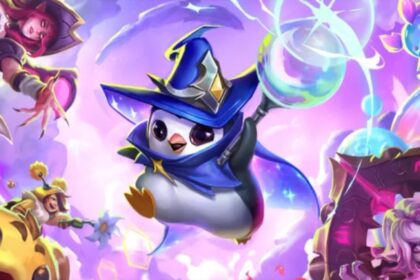


Understanding Teamfight Tactics: The Competitive Ecosystem of Riot Games’ Auto Battler
Teamfight Tactics (TFT), Riot Games’ popular auto battler, has taken the gaming world by storm since its release in 2019. Blending strategy and chance, TFT immerses players in a unique gameplay experience where tactical prowess reigns supreme. This article delves into the intricacies of TFT gameplay, current meta analyses, champion traits, strategies, and the thriving competitive ecosystem that surrounds it.
Teamfight Tactics Overview
TFT pits players against one another in automated battles where teams are formed by strategically placing champions on a grid-based board. Players earn gold through economy management, allowing them to buy champions, upgrade them, and ultimately assemble a winning team composition. The seasonal updates infuse fresh champions and traits into the game, keeping the gameplay dynamic and engaging.
Current Meta and Team Compositions
The current TFT meta is in a state of flux, driven by recent patch notes and gameplay adjustments. As of the latest updates, players are experimenting with various team compositions that capitalize on the most potent traits and champions. Notable team compositions currently trending include:
- Divine Assassins: A lethal combination focusing on high burst damage.
- Spellcasters: Teams that leverage powerful abilities to dominate the battlefield.
- Tanky Frontlines: Teams centered around sustaining damage while dealing consistent damage from the backline.
Understanding and adapting to the meta is crucial for success, as the game continuously evolves.
Champions, Traits, and Strategies
TFT’s depth lies in its diverse champions and their respective traits, which define how they synergize. Champions can belong to various origins and classes, each offering unique abilities:
- Origins: Define a champion’s background, influencing synergy when combined with others of the same origin.
- Classes: Determine the role a champion plays, from tanks to damage dealers or support units.
Successful strategy hinges on identifying the powers of various champions and how they can work together. The key strategies include:
- Utilizing synergy from traits to maximize effectiveness.
- Positioning champions strategically on the battlefield.
- Adapting your composition based on opponents’ strategies.
Economy and Ranked Gameplay
Economy management is fundamental in TFT ranked play. Players need to balance spending and saving gold to ensure they can scale efficiently throughout the game. Some core strategies for effective economy management are:
- Understanding the interest system to earn more gold.
- Evaluating whether to level up or reroll for champions.
- Adjusting the buying patterns based on win/loss streaks.
Ranking higher in TFT requires not just mastery of champions and strategies, but also a strong grasp of the underlying economic mechanics.
TFT Esports and Competitive Scene
The competitive realm of TFT has been gaining momentum, with an increasing number of tournaments showcasing the best players worldwide. Prominent events regularly feature extensive prize pools and draw significant viewer engagement. Key aspects of the TFT esports scene include:
- Regular tournaments hosted by Riot Games and community organizers.
- A thriving ecosystem of content creators broadcasting competitive matches.
- Innovative formats and league systems that test player skill and adaptability.
As TFT esports continues to evolve, enthusiasts are treated to exciting gameplay and rising stars within the community.
Riot Games Updates and Patch Notes
Riot Games frequently updates TFT through patch notes, impacting the gameplay landscape significantly. These patches include champion adjustments, item balance tweaks, and introductions of new champions and traits. Players must consistently check patch notes to stay informed about:
- Changes to champion abilities and statistics.
- Adjustments to the economy dynamics.
- New content that can shift the meta significantly.
Understanding patch updates is critical for players looking to maintain their competitive edge.
Community Reactions and Future Trends
The TFT community is highly engaged and vocal about changes in the game. Reactions to patch notes and meta shifts can be found across various platforms, providing insight into what players deem favorable or unfavorable. Future trends indicate:
- A continuous evolution of gameplay style and strategies.
- Integration of community feedback into game development.
- A trend toward more structured competitive formats.
Keeping an eye on community reactions can provide clues to the evolving game landscape.
FAQ
What is Teamfight Tactics?
Teamfight Tactics is an auto battler game developed by Riot Games, where players strategically place champions to compete in automated battles.
How do I improve my ranking in TFT?
Focus on mastering economy management, understanding the current meta, and adapting your strategies based on gameplay experiences.
What are the most important traits in the current meta?
Traits vary with patches; keeping updated with recent patch notes will help identify which traits are currently dominant.
Conclusion
Teamfight Tactics continues to captivate the gaming community by merging strategy with accessible gameplay. As the game evolves through its patches and community feedback, players must remain adaptive to navigate the ranked ladder and excel in the esports scene. Understanding the intricate details of champions, team compositions, and economic strategies is essential for anyone looking to enhance their TFT experience.