



Understanding the Dynamics of Esports: Insights into Competitive Gaming Trends
The esports landscape is evolving at an unprecedented pace, and with it comes an intricate web of competitive gaming strategies, tournament dynamics, and player performances. This article aims to delve into current trends and developments shaping the esports industry, revealing insights into professional gamers, team strategies, and the overarching challenges faced in this exhilarating field.
Tournament and Gaming News Overview
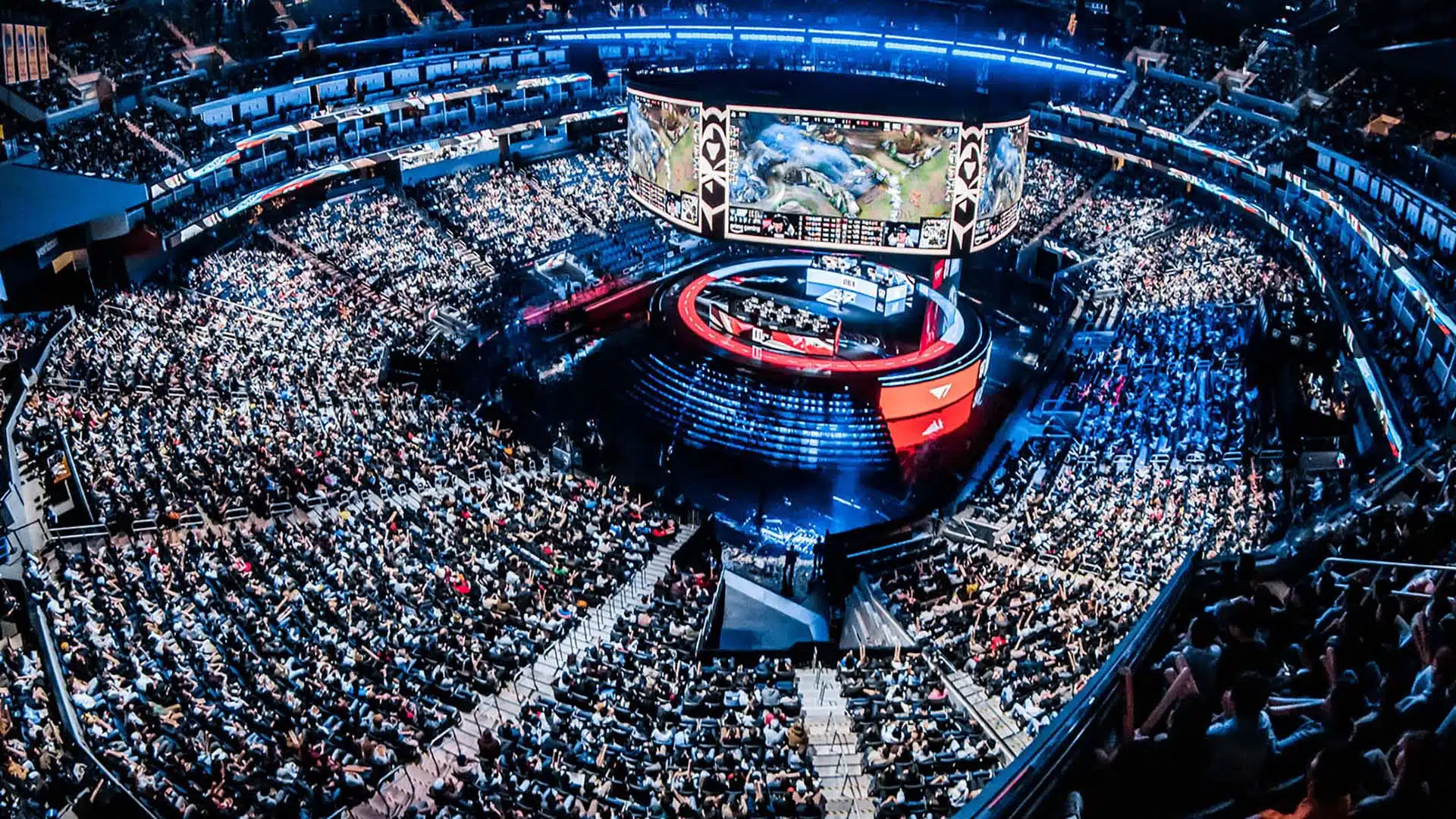
Esports tournaments continue to garner massive audiences worldwide, with events like The International, League of Legends World Championship, and Fortnite World Cup setting new benchmarks for viewership and engagement. The competitive integrity and scale of these competitions highlight the significance of esports as a legitimate sporting arena.
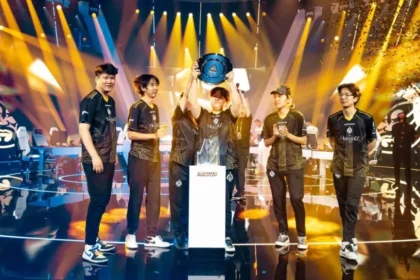
Recent tournaments have also showcased the emergence of new teams and breakout players. For instance, underdog teams have been challenging established powerhouses, resulting in thrilling upsets that redefine the competitive landscape.
Team and Player Performance
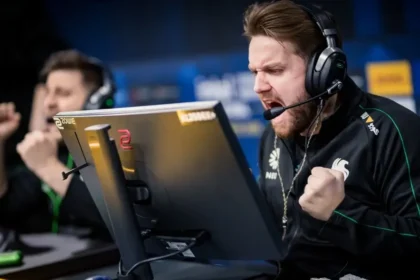
The performance of professional gamers is often a reflection of individual skill as well as team synergy. Top esports organizations invest heavily in scouting talent, often focusing on players with unique abilities that can complement existing team dynamics.
Recent analyses indicate that teams emphasizing communication and teamwork tend to outperform those relying solely on individual skill. The integration of analytics in tracking player performance metrics is becoming essential, allowing organizations to make data-driven decisions about roster changes and strategic planning.
Competitive Strategies and Meta Analysis
A crucial aspect of success in competitive gaming is the understanding of the meta—the most effective strategies adopted by players. Meta shifts can result from game updates or emerging trends as players discover innovative techniques to gain an edge.
For instance, in games like Dota 2 and League of Legends, regular patches alter the balance and effectiveness of heroes and champions. Teams must adapt quickly, often changing their strategies and playstyles to align with the current meta, thereby showcasing their versatility and analytical prowess.
Streaming and Esports Industry Trends
The growth of live streaming platforms such as Twitch and YouTube Gaming has transformed the visibility of esports. Fans can now engage with their favorite players and teams in real time, fostering a deeper connection to the competitive gaming scene.
Moreover, partnerships between streaming platforms and gaming leagues enhance monetization avenues for teams and players. Esports news now frequently updates fans not just on outcomes, but also on sponsorship deals, streaming schedules, and player engagements.
Coaching and Training Insights
As esports matures, the role of coaching has become increasingly vital. Coaches are not simply strategists; they provide mentorship, oversee practice regimens, and help to foster a positive team culture. Many organizations now employ dedicated analysts to scout opponents and inform their strategic approaches.
Training regimens often mirror traditional sports, focusing on physical and mental health, along with technical skill development. This holistic approach ensures that professional gamers maintain peak performance levels throughout the demanding tournament seasons.
Challenges in Competitive Gaming
Despite its growth, the esports industry faces numerous challenges. Issues related to player burnout, mental health, and the need for better support systems remain prevalent. Additionally, maintaining competitive integrity amid increased scrutiny from fans and regulators is imperative for the industry’s credibility.
Moreover, the rapid advancement of gaming technology poses both opportunities and challenges. Teams must constantly adapt to new equipment and tools that can enhance performance but also create disparities among players.
Future of Esports
The future of esports appears bright, driven by technological advancements and the increasing acceptance of esports as a mainstream entity. Emerging leagues, intercollegiate competitions, and international events are likely to further elevate the profiles of professional gamers.
As esports organizations diversify revenue streams through merchandise, sponsorships, and media rights, the potential for sustainable growth becomes more tangible. Furthermore, innovations in VR and AR gaming could redefine competitive formats, offering new experiences for both players and fans.
FAQ
- What is the primary purpose of esports tournaments?
The primary purpose of esports tournaments is to showcase competitive gaming skills, provide entertainment for fans, and offer financial incentives for participating players and teams. - How do teams choose their strategies?
Teams often analyze past matches, opponent playstyles, and current meta trends to develop strategies tailored to maximize their chances of victory. - What is the role of analytics in esports?
Analytics play a crucial role in informing teams about performance metrics, strategic planning, and opponent scouting.
Conclusion
The world of esports is a dynamic ecosystem, rich with opportunities and challenges. Understanding its multifaceted aspects—from tournaments, player performance, and team strategies to streaming trends and future prospects—helps paint a comprehensive picture of an industry poised for continuous growth. As we look ahead, the collective efforts of teams, gamers, and industry stakeholders will play pivotal roles in shaping the future of competitive gaming.