

Understanding the Dynamics of Esports: Trends and Insights
The esports industry has seen exponential growth over the past decade, transforming competitive gaming into a global phenomenon. With more players and titles entering the fray, the landscape is continually evolving. In this article, we’ll explore the latest trends in esports tournaments, team strategies, and the overall esports ecosystem.
Tournament or Gaming News Overview
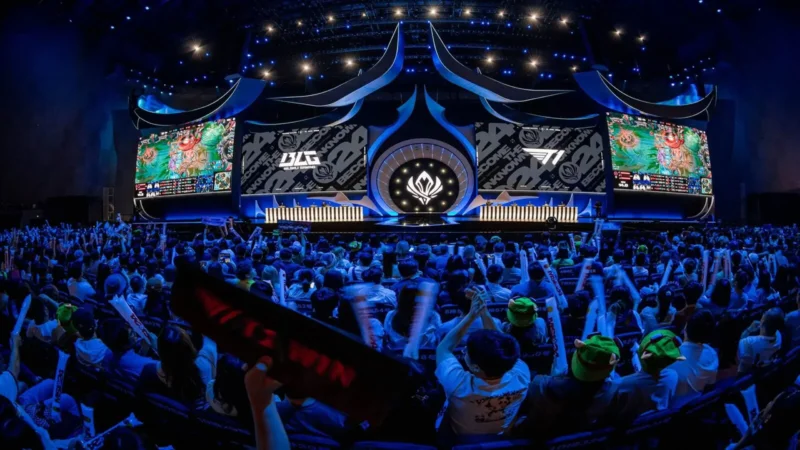
This year, the esports calendar has been packed with high-stakes tournaments across various titles. Major events like The International for Dota 2 and the League of Legends World Championship have drawn massive online audiences and offered multi-million dollar prize pools. Additionally, emerging titles such as VALORANT have begun to carve out their place in the competitive arena, boasting their own dedicated leagues and tournaments.
Team and Player Performance
Top-tier teams like TSM and Team Liquid continue to dominate their respective gaming leagues, showcasing remarkable synergy and execution. The rise of newer organizations has also introduced fresh talent, making player performance analysis more crucial than ever. Metrics such as kill-death ratios, objective control, and match impact are essential in understanding a player’s contribution to their team’s success.
Competitive Strategies and Meta Analysis
The strategies employed by professional gamers often shape the meta, defined as the prevailing trends and tactics within a given game. For instance, in League of Legends, champion picks and builds can shift dramatically based on patch updates. Understanding these changes allows teams to adapt their strategies accordingly. A strong focus on drafting and counter-picking can make or break a match.
- Adaptability to patch notes and game updates is essential.
- Team compositions often dictate gameplay style and approach.
- Analyzing opponents’ strategies can provide a competitive edge.
Streaming and Esports Industry Trends
Streaming platforms like Twitch and YouTube Gaming play a vital role in the growth of the esports industry. They not only serve as venues for live tournaments but also foster community engagement. Moreover, partnerships with brands and game developers have resulted in increased production quality and viewer experience. As esports continues to integrate with mainstream entertainment, viewer interactivity will further enhance its appeal.
Coaching and Training Insights
The professionalization of coaching in esports has become increasingly significant. Teams are investing in experienced coaches who can analyze gameplay, develop strategies, and offer mental support. Training regimens now incorporate not only mechanical skills but also theoretical understanding, mental conditioning, and teamwork. This holistic approach is pivotal in nurturing the next generation of professional gamers.
Challenges in Competitive Gaming
Despite the advancements, the esports industry faces several challenges. Player burnout, lack of mental health resources, and contract disputes are prevalent issues that can affect team performance and longevity. Furthermore, the ever-present threat of cheating and unethical practices also looms large, necessitating tighter regulations and monitoring within gaming leagues.
Future of Esports
The future of esports promises more innovation, with advancements in gaming technology likely to enhance the experience. Virtual reality (VR) and augmented reality (AR) are expected to change how games are played and consumed, making interactivity within esports even more immersive. As the industry continues to grow, we can expect to see increased collaboration with traditional sports and entertainment sectors.
FAQ
- What are esports tournaments? Esports tournaments are organized competitions where players or teams compete against each other in various video games. These events can be localized or held on international stages.
- How do professional gamers train? Professional gamers undergo rigorous training that includes gameplay practice, strategy development, and physical conditioning. Mental toughness and team coordination also play crucial roles.
- What is the meta? The meta refers to the most effective strategies, characters, or tactics in a gaming environment at any given time, influenced by professional players and game updates.
Conclusion
As esports continues to grow and evolve, understanding the nuances of tournaments, player performance, and industry trends becomes imperative for fans and stakeholders alike. The constant shifts in competitive strategies, coaching methodologies, and gaming technology signify a vibrant future for the esports industry. By staying informed and engaged, we can better appreciate the intricate dynamics that make esports a truly remarkable endeavor.