



The Evolving Landscape of Esports: Trends, Challenges, and Future Directions
Esports has rapidly ascended from niche hobby to a multi-billion-dollar industry over the last decade. With numerous tournaments, rising professional gamers, and complex gaming strategies, the competitive gaming landscape continues to evolve at a breakneck pace. This article delves into the latest trends and insights within esports, exploring everything from tournament structures to coaching methodologies.
Tournament or Gaming News Overview
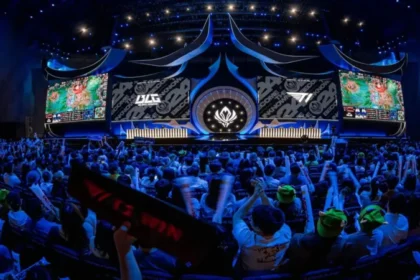
The esports calendar is filled with thrilling tournaments that draw massive audiences. Major events like The International for Dota 2 and League of Legends World Championship not only offer immense prize pools but also shape the competitive scene profoundly. In recent months, tournaments have adapted to hybrid formats, allowing both online and in-person participation. This shift has been crucial in maintaining engagement amid ongoing global challenges.
In addition to perennial fixtures, new gaming leagues are emerging, focusing on games such as Valorant and Apex Legends. These competitions reveal the dynamic nature of the esports industry, continually pushing boundaries while providing platforms for new talent.
Team and Player Performance
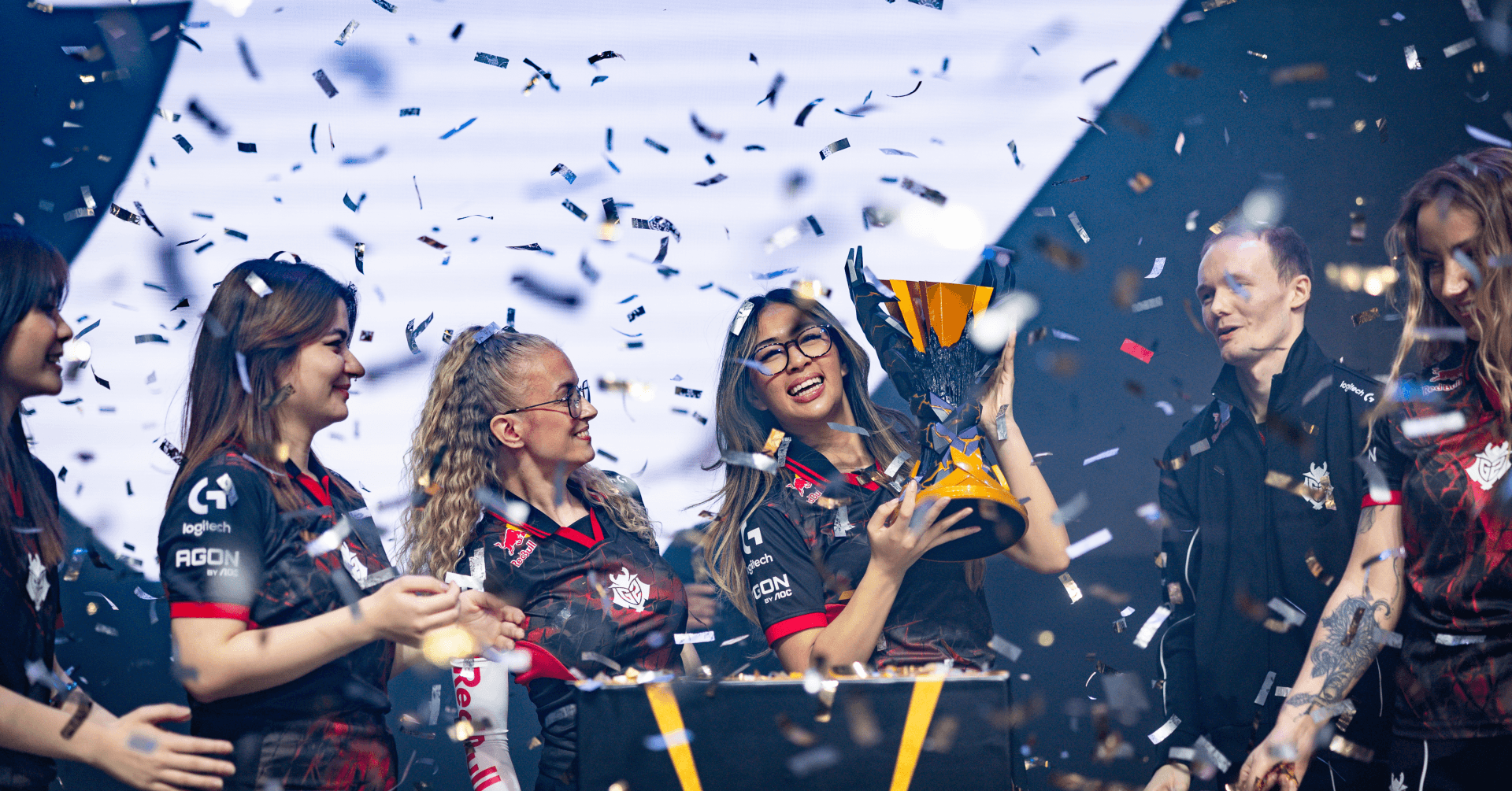
Analyzing team performance in esports is as critical as in any traditional sport. Organizations invest heavily in scouting and nurturing professional gamers who can perform under pressure. Recent tournaments have highlighted some standout players whose skills and teamwork have led their squads to victory. For instance, the synergy within Team Liquid has been noted as a key factor in their success, showcasing how collective performance can outshine individual talent.
Competitive Strategies and Meta Analysis
In competitive gaming, understanding the meta is crucial. Game updates can shift the competitive landscape, necessitating strategic adaptations from teams. Recent patches in games like Call of Duty and Fortnite have altered weapon viability or character balances, leading to significant shifts in team strategies. Organizations must remain agile, often adjusting tactics mid-tournament to counter opponents effectively. The use of data analytics tools has become commonplace, providing teams with insights into their play styles and areas for improvement.
Streaming and Esports Industry Trends
Streaming platforms like Twitch and YouTube Gaming are pivotal in shaping the esports landscape. Not only do they provide gamers with revenue streams through subscriptions and advertisements, but they also create engagement hubs for fans. The rise of content creators who blend competitive gaming with entertainment has expanded the reach of esports, drawing in new audiences. This trend signifies a shift toward a more holistic approach to content creation within the industry.
Coaching and Training Insights
Coaching in esports has evolved significantly, with many organizations hiring former players to develop holistic training programs. Professional gamers often undergo rigorous daily schedules that combine gameplay practice, strategy sessions, and physical fitness training. Mental resilience is an area of increasing focus, with sports psychologists being integrated into training regimens to help players manage stress and enhance performance.
Challenges in Competitive Gaming
While the esports industry continues to grow, it faces several challenges. Player burnout is a notable concern, with high expectations and rigorous schedules taking their toll on even the most talented athletes. Additionally, issues surrounding fair play and cheating remain at the forefront, necessitating ongoing innovations in anti-cheat technologies and regulatory frameworks. Esports organizations must also navigate the complexities of sponsorship and funding, particularly in an environment where investors can be cautious.
Future of Esports
The future of esports appears bright, with projections estimating substantial growth in both viewership and revenue. Innovations in gaming technology, such as virtual reality integrations, are likely to entice broader audiences. Furthermore, the establishment of college-level gaming leagues signifies a commitment to nurturing the next generation of professional gamers. As esports continues to gain mainstream traction, it will be crucial for the industry to maintain a balance between competitive integrity and commercialization.
FAQ
- What are the major esports tournaments?
The International, League of Legends World Championship, and ESL One are among the most prominent tournaments. - How do teams prepare for tournaments?
Preparation involves rigorous practice, strategy development, and sometimes participation in smaller leagues to refine skills. - What role does streaming play in esports?
Streaming provides revenue opportunities for players and helps build a fan base, making it essential for player and organization visibility. - What challenges does the esports industry face?
Player burnout, fair play issues, and finding sustainable funding are notable challenges currently impacting the industry. - What does the future hold for competitive gaming?
As technology advances and viewership increases, esports is expected to continue expanding, attracting diverse audiences and talent.
Conclusion
The esports industry is constantly evolving, characterized by innovation and competitive spirit. As new games and tournaments emerge, the strategies employed by teams and the technologies available will continue to shape the landscape. Maintaining a focus on player well-being and industry integrity will be paramount as esports moves forward, setting the stage for a vibrant and competitive future.