


The Evolution of Esports: A Deep Dive into Competitive Gaming and Industry Trends
The world of esports has transformed dramatically over the past decade, evolving from a niche hobby to a massive global phenomenon. With an ever-expanding audience, intricate tournaments, and burgeoning professional leagues, the competitive gaming landscape is richer than ever. This article explores the current state of esports, focusing on tournaments, team strategies, player performance, and the industry’s future.
Tournament or Gaming News Overview
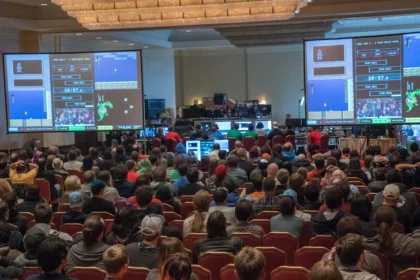
Recent esports tournaments have showcased exceptional talent and thrilling gameplay. Events such as The International (Dota 2), League of Legends World Championship, and the CS:GO Major Championships have attracted millions of viewers worldwide, both online and in-person. Notable teams, like Team Spirit and G2 Esports, have not only competed for substantial prize pools but also gained massive followings that contribute to the sport’s ongoing expansion.
Esports news outlets are buzzing with updates about upcoming tournaments, showcasing changes in scheduling and format that cater to a growing audience. Even traditional sports networks are beginning to include esports tournaments in their broadcasting lineups, signaling a broader acceptance of competitive gaming as a legitimate form of entertainment.
Team and Player Performance
Professional gamers are the backbone of esports, and their performance directly impacts the success of their teams. Players like Faker from T1 in League of Legends and s1mple from Natus Vincere in CS:GO have garnered iconic status due to their exceptional skills and strategic understanding of the game.
Performance analytics play a vital role in enhancing player effectiveness. Teams employ data-driven approaches to evaluate metrics such as shot accuracy, response times, and strategic decision-making, ultimately refining individual and team performance. As the esports scene matures, the importance of consistency and adaptability has never been clearer.
Competitive Strategies and Meta Analysis
The competitive landscape in esports is in constant flux, largely influenced by game updates and shifts in player strategies. Each title has its own ‘meta’—the most effective tactics available—shaped by both patch notes and player ingenuity.
- **League of Legends:** Frequent updates ensure that champions rise and fall in popularity, with patch changes balancing the gameplay and introducing new mechanics.
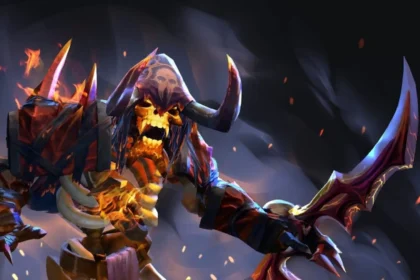
- **Dota 2:** The introduction of new heroes or alterations to existing ones can drastically change team compositions and game strategies.
- **CS:GO:** New maps and weapon balancing keep teams on their toes, necessitating constant adaptation.
Understanding these meta shifts is crucial for teams aiming to stay competitive. Teams that adapt quickly often find themselves at an advantage, highlighting the importance of continuous research and analysis in esports strategies.
Streaming and Esports Industry Trends
The rise of platforms like Twitch and YouTube Gaming has revolutionized how fans engage with esports. Today’s viewers are not just passive spectators; they interact with streamers, participate in live chat, and contribute to a community that enhances the gaming experience.
With the increasing popularity of esports, sponsorship and monetization opportunities have surged. Brands are now investing heavily in partnerships with professional teams and popular streamers, recognizing their role in brand visibility among the coveted young demographic. Esports news channels are also adapting to the multimedia landscape, providing real-time updates through social media, video streams, and podcasts.
Coaching and Training Insights
Esports coaching has become a fundamental aspect of team development. Coaches analyze gameplay, develop training regimens, and foster team dynamics, just as traditional sports coaches do. Notable organizations such as Team Liquid and Fnatic invest substantially in their coaching staff, employing analysts and strategists to gain a competitive edge.
Training now encompasses not just gameplay but mental conditioning, communication, and teamwork dynamics. Innovative practices like simulation training and peer reviews are increasingly popular, allowing players to engage in constructive feedback while honing their skills in a supportive environment.
Challenges in Competitive Gaming
<pWhile the esports industry continues to thrive, it faces significant challenges. Issues such as player burnout, lack of job security for professional gamers, and inconsistent league structures need addressing. Moreover, the rapid evolution of games can lead to difficulties in maintaining a stable meta, putting pressure on players and organizations to adapt quickly.
The industry must also confront the potential for toxic behaviors and ensure that the atmosphere remains welcoming and supportive for all players. Organizations are tasked with implementing policies to promote respect and sportsmanship among competitors and fans alike.
Future of Esports
The future of esports looks promising, with projections indicating continued growth in viewership, revenue, and overall participation. As game technology advances, we can expect even more immersive experiences, with virtual reality and augmented reality set to enhance competitive gameplay.
Increased collaboration between game developers and esports organizations will likely lead to more balanced and spectator-friendly titles. Additionally, as traditional sports integrate esports into their business models, there may be a convergence of audiences, further legitimizing competitive gaming.
FAQ
- What are the major esports tournaments? Major tournaments include The International, League of Legends World Championship, and CS:GO Major Championships.
- Who are some top professional gamers? Top players include Faker, s1mple, and N0tail, each excelling in their respective games.
- How do teams strategize in esports? Teams analyze gameplay data and adapt their strategies based on meta changes and opponent tactics.
- What role does streaming play in esports? Streaming platforms enhance fan engagement and provide monetization opportunities for players and organizations.
- What challenges does the esports industry face? Challenges include player burnout, inconsistent league structures, and the need for a positive competitive atmosphere.
Conclusion
As we navigate this exciting era of esports, the competitive gaming landscape is bound to evolve further. With transformative technologies, dedicated organizations, and passionate players, esports is not just a trend; it’s a burgeoning industry that is becoming an influential cultural pillar. By understanding its dynamics, we can appreciate the unique blend of artistry, strategy, and sportsmanship that defines this captivating field.