


Exploring the Evolution of Esports: Trends, Tournaments, and Future Prospects
Esports has rapidly transformed from a niche hobby to a multi-billion-dollar industry, captivating millions globally. With competitive gaming now featuring prominently in mainstream media, understanding the landscape of esports tournaments, professional gamers, and evolving gaming strategies is crucial for fans and stakeholders alike. This article dives deep into the current state of esports, analyzing tournaments, team performance, and industry trends.
Tournament and Gaming News Overview
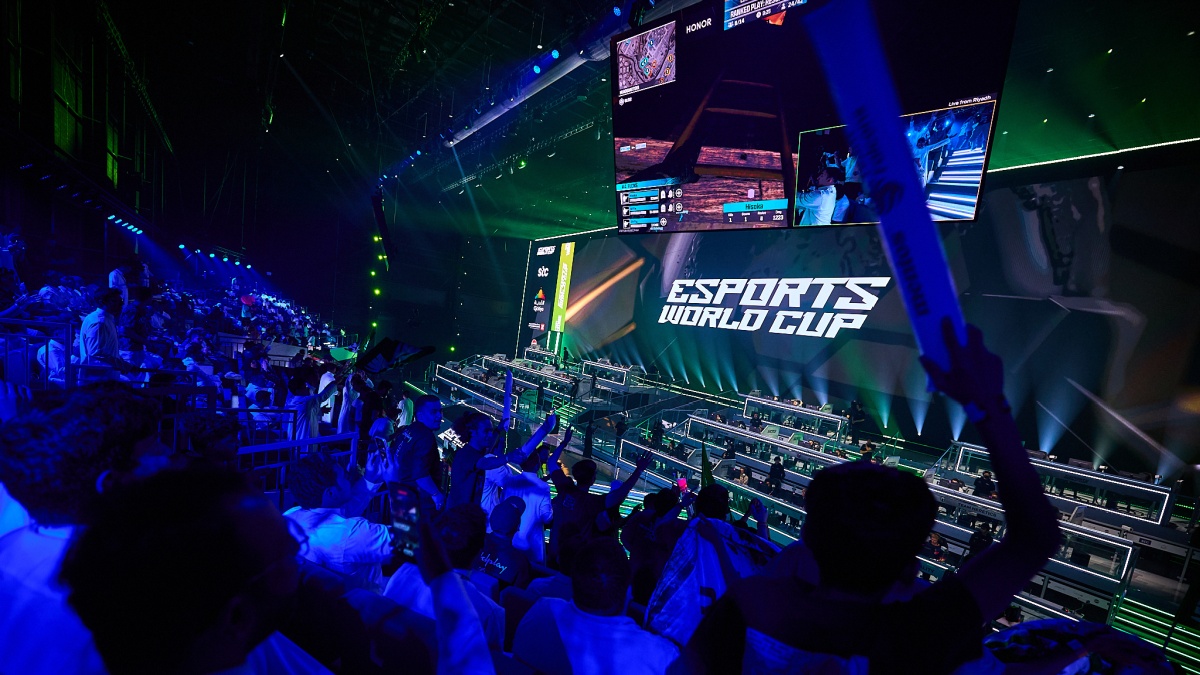
Esports tournaments have become the epicenter of competitive gaming. Major events, such as The International for Dota 2, the League of Legends World Championship, and the CS:GO Major Championships, consistently draw massive viewership. The prize pools continue to skyrocket, with The International 2021 boasting over $40 million, reflecting the growing investment in esports.
In addition to traditional tournaments, leagues like the Overwatch League and the Call of Duty League have redefined how esports are structured. These leagues offer a franchise model, akin to traditional sports, providing stability and regular competition for teams and players.
Team and Player Performance
Individual performances remain at the heart of esports. Teams like Team Liquid, Fnatic, and T1 continue to showcase their skill, adapting to new metas and game updates effectively. The rivalry between top-tier players often captivates fans, as players such as Faker, s1mple, and TenZ demonstrate extraordinary talent on the international stage.
Performance analysis tools and platforms have emerged, providing insights into player stats, win rates, and match history. These resources are invaluable for both teams and fans looking to understand the dynamics of player performance in current competitions.
Competitive Strategies and Meta Analysis
As games evolve, so do the strategies employed by professional gamers. Teams continually refine their gaming strategies, adapting to meta changes driven by game updates. For example, the recent patch in League of Legends introduced significant champion reworks, influencing drafting strategies and play styles among top teams.
Common strategies now include advanced team compositions, split-pushing tactics, and aggressive map control methods. Analyzing these approaches provides a deeper understanding of how teams leverage their strengths to secure victories in high-stakes matches.
Streaming and Esports Industry Trends
The integration of streaming platforms like Twitch and YouTube Gaming has significantly impacted the esports landscape. Professional gamers are transitioning into content creators, building personal brands and connecting with fans on a more personal level. Esports news channels also thrive on these platforms, delivering real-time updates on tournaments and player transfers.
Moreover, partnerships between esports organizations and brands are becoming commonplace. Sponsorships with tech companies, energy drinks, and gaming peripherals are driving revenue while also enhancing the viewer experience through sponsored segments and merchandise.
Coaching and Training Insights
Coaching in esports has evolved significantly, with specialists focusing not only on mechanical skills but also on mental resilience and teamwork. Successful teams often employ data analysts and psychologists, ensuring that players are equipped to handle the rigors of competitive environments.
Training regimes now include structured scrims, watch parties for analyzing rival strategies, and extensive individual practice sessions aimed at fine-tuning skills. This comprehensive approach to training allows teams to remain competitive as the landscape of esports evolves.
Challenges in Competitive Gaming
Despite its growth, the esports industry is not without challenges. Issues such as player burnout, sponsorship dependency, and organizational sustainability threaten the longevity of teams and tournaments. The influx of new games also raises concerns about player retention and the stability of gaming leagues.
Regulatory hurdles, particularly around player contracts and labor rights, continue to pose challenges as well. As esports matures, finding solutions to these barriers will be essential for fostering a sustainable environment.
Future of Esports
The future of esports looks promising, with increasing mainstream acceptance and a growing infrastructure. As technology advances and gaming hardware becomes more accessible, we can expect even more engaging tournaments with high production values.
Emerging technologies like VR and AR are set to further enhance the spectator experience, providing innovative ways for fans to immerse themselves in gaming events. The rise of mobile esports is also noteworthy, expanding competitive gaming’s reach to a broader audience.
FAQ
- What are esports tournaments?
Esports tournaments are competitive events where players or teams compete in video games for prizes and titles. - How are professional gamers trained?
Professional gamers undergo rigorous training, including practice sessions and strategy analysis, often guided by coaches. - What is the importance of the meta in competitive gaming?
The meta refers to the current game strategies that are most effective, impacting how teams approach gameplay. - What trends are shaping the esports industry?
Key trends include increased streaming engagement, rising sponsorship deals, and the growth of mobile esports.
Conclusion
The esports industry continues to expand rapidly, fueled by growing interest in competitive gaming and the emergence of new technologies. Understanding the intricacies of esports tournaments, the performance of professional gamers, and the evolving strategies will remain crucial as we advance. With collaboration between organizations, players, and fans, the future of esports looks not only sustainable but incredibly promising.