

The Evolution of Esports: Trends, Tournaments, and Tomorrow’s Challenges
Esports has rapidly transformed from a niche hobby into a global phenomenon over the last decade. This explosive growth has drawn not only avid gamers but also corporate interests, media, and massive audiences around the world. In this article, we’ll delve into the current landscape of esports, highlighting important tournaments, team dynamics, and emerging trends in this ever-evolving industry.
Tournament or Gaming News Overview
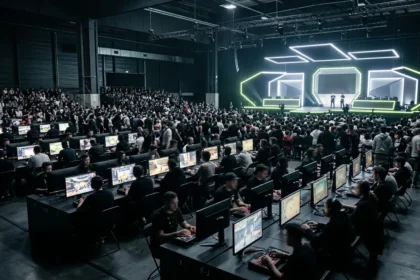
The esports calendar is studded with major tournaments that attract millions of viewers online and in person. Events like The International (Dota 2), League of Legends World Championship, and the ESL Pro League (CS:GO) not only offer massive prize pools but also shape the competitive scene by pushing boundaries of gameplay and audience engagement. These tournaments have become a staple, signaling significant trends in viewership and sponsorship.
Team and Player Performance
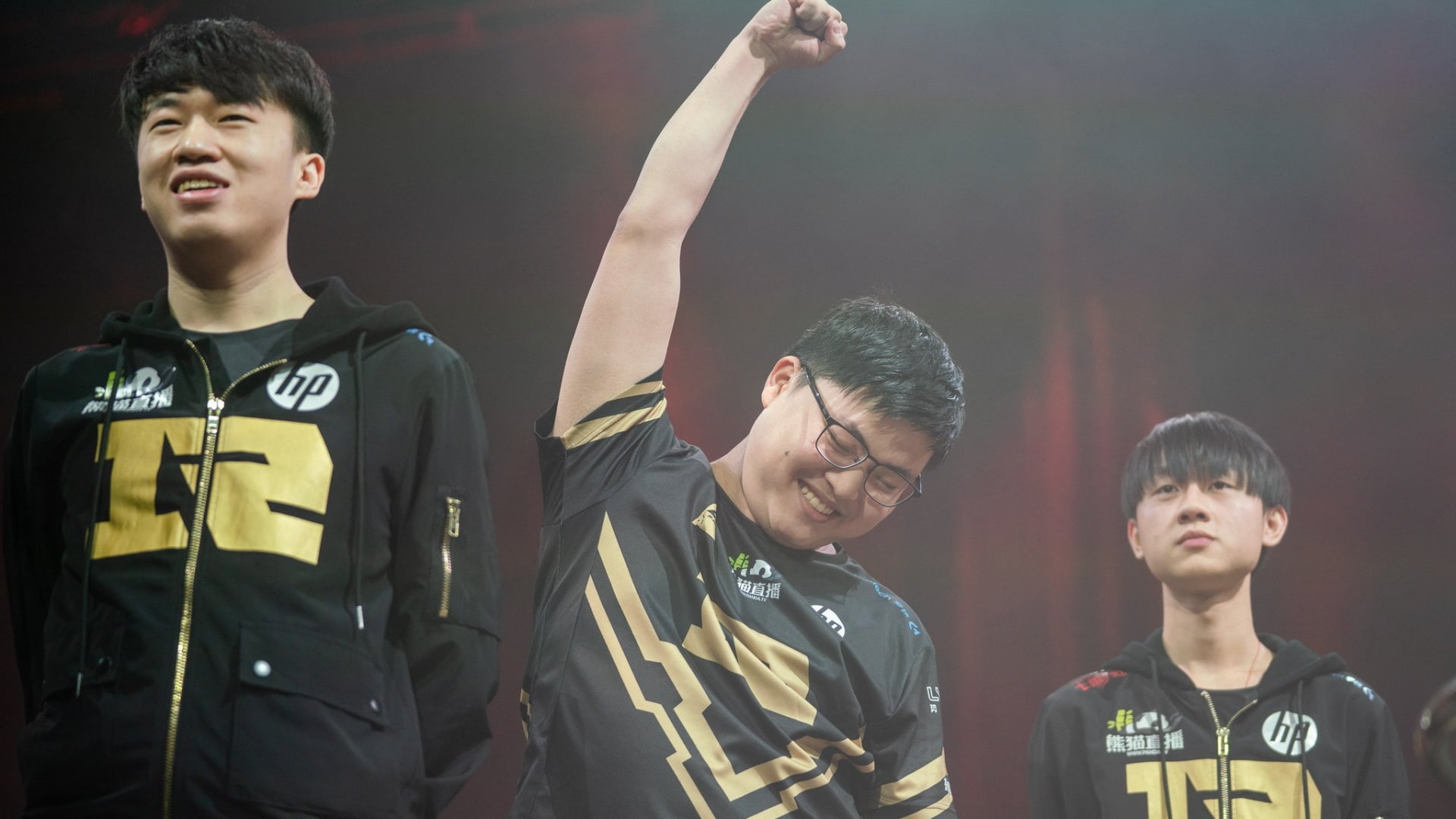
The landscape of professional gamers is vast, with individuals showcasing extraordinary skills and commitment. Analysis of recent tournament performances reveals that teams such as T1 in League of Legends and Natus Vincere in CS:GO have set benchmarks for excellence, combining individual talent with cohesive team strategies. For instance, T1’s adaptability to in-game meta changes played a crucial role in their recent successes. Player performance is scrutinized closely, with metrics like kill/death ratio, objective control, and teamwork forming the basis of performance analysis.
Competitive Strategies and Meta Analysis
Meta changes can significantly impact game strategies, forcing teams to adapt rapidly in response. The recent updates to games like Valorant and Call of Duty have introduced new characters, maps, or mechanics that shift gameplay dynamics. Top teams often engage in deep analysis and practice sessions to refine their strategies, ensuring that they remain ahead of the curve. For example, the introduction of new agents in Valorant has reshaped team compositions and tactical play, allowing for more diverse and intricate gameplay.
Streaming and Esports Industry Trends
The rise of live streaming platforms has revolutionized how fans engage with esports. Platforms like Twitch and YouTube Gaming have not only made competitive gaming more accessible but have also allowed players to build brands. Esports news now often reflects streaming trends, highlighting which games are gaining traction and how influencer culture is impacting viewership. The integration of augmented reality (AR) and virtual reality (VR) into streaming has also emerged, offering immersive viewing experiences that are likely to attract new audiences.
Coaching and Training Insights
As esports grow, so does the importance of coaching and structured training regimens. Professional teams now employ coaches who specialize in game theory, player psychology, and strategy optimization. This development has led to more systematic approaches to training, with many teams utilizing performance analytics tools to track player progress and devise tailored training programs. Insights from coaching staff can be the difference between victory and defeat in high-stakes tournaments.
Challenges in Competitive Gaming
The esports industry faces several challenges, including sustainability, the mental health of professional gamers, and intense competition. Issues such as burnout and the pressure to perform can affect player longevity and well-being. Additionally, with the market becoming saturated, both established and emerging esports organizations must innovate continuously to remain relevant and financially viable.
Future of Esports
The future of esports appears bright, with projected growth in audience size and revenue streams. Factors contributing to this momentum include increasing investments from major tech companies, the rise of collegiate esports programs, and the integration of esports into mainstream entertainment. As gaming technology continues to evolve, we anticipate innovations such as enhanced AI-driven training tools, further blurring the lines between traditional sports and esports.
FAQ
- What are the most popular esports tournaments?
The International, League of Legends World Championship, and ESL Pro League are among the most prestigious. - How do esports teams select their players?
Factors include individual skill, teamwork, and adaptability to the team’s strategies. - What role does streaming play in esports?
Streaming platforms offer visibility, engage fans, and serve as a marketing tool for players and teams.
Conclusion
As the esports industry continues to grow and evolve, its impact on the gaming landscape is undeniable. Tournaments serve as the proving grounds for professional gamers, while teams and organizations adapt strategies to stay competitive. Streaming technologies and coaching practices enhance player performance and engage fans like never before. Ultimately, the sustained growth of esports will rely on addressing existing challenges and embracing the innovations of tomorrow.