

Rising Tides: The Current Landscape of Esports and Competitive Gaming
The esports industry is in the midst of a dynamic evolution, one that is not only captivating audiences but also reshaping the gaming world. With an increasing number of esports tournaments, a diverse range of professional gamers, and innovative gaming technologies, competitive gaming is becoming a significant global phenomenon.
Tournament and Gaming News Overview
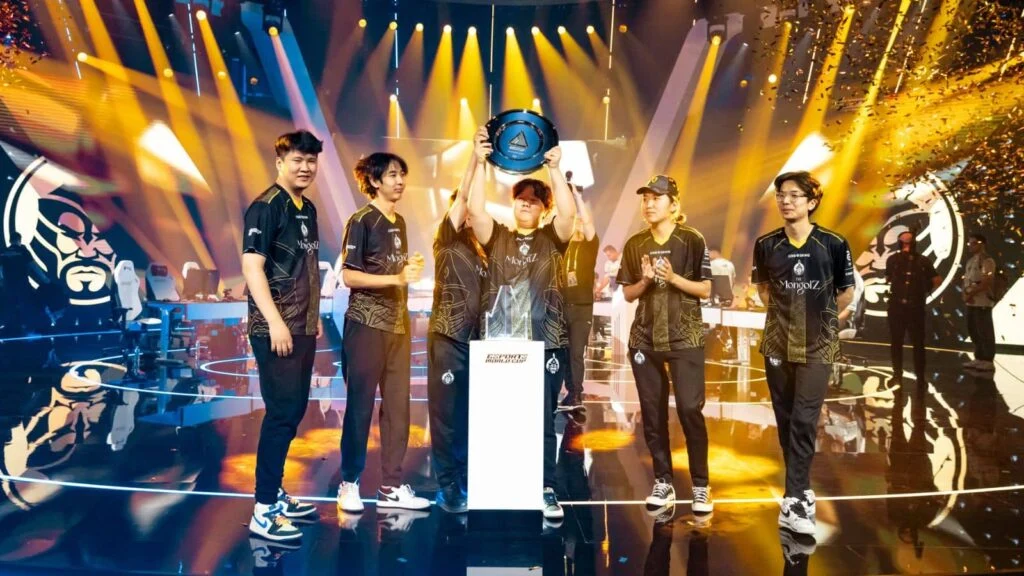
Recently, the competitive gaming calendar has been bustling with notable events. Major tournaments like The International for Dota 2 and the League of Legends World Championship have drawn millions of viewers, not just in-person but through streaming platforms like Twitch and YouTube. The increasing sponsorship deals and prize pools are further solidifying the status of these events within the esports industry.
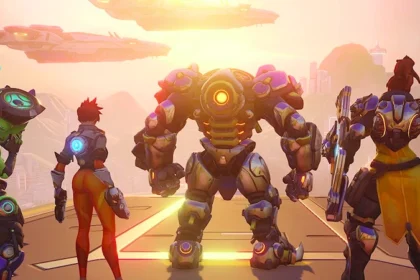
This year has also seen the emergence of new gaming leagues. With the Overwatch League and CS:GO’s ESL Pro League continuing to rise in popularity, the competitive landscape is more varied than ever. In addition to these established leagues, new entries are making waves, attracting up-and-coming teams and players eager to prove their mettle on the global stage.
Team and Player Performance
Performance metrics for teams and individual professional gamers have become more sophisticated, with organizations investing heavily in analytics to gain a competitive edge. Players like S1mple (CS:GO) and Faker (League of Legends) exemplify the heights of skill achievable in this arena. Statistics and performance data are not only broadcasted during tournaments but also monitored in real-time by teams to refine strategies and improve individual gameplay.
Competitive Strategies and Meta Analysis
Understanding game mechanics and adapting to evolving metas are crucial for success in esports tournaments. Teams are continually analyzing gameplay footage to devise effective gaming strategies. For instance, in League of Legends, the introduction of new champions or reworks can drastically shift the meta, prompting immediate strategic adjustments. Coaches and analysts work hand-in-hand to ensure teams adapt quickly to these changes, maximizing their chances of victory.
Streaming and Esports Industry Trends
The growth of streaming has had a profound impact on the esports industry. Platforms like Twitch and Facebook Gaming provide not just a venue for live broadcasts, but also an interactive experience for fans. This has allowed professional gamers to build personal brands and increase fan engagement through live Q&As and behind-the-scenes content.
Additionally, the monetization possibilities in streaming have expanded. Sponsorships, subscriptions, and merchandise sales are now critical revenue streams for professional players and teams alike. As a result, more gamers are transitioning from casual play to professional careers, adding to the pool of talent in esports.
Coaching and Training Insights
Esports coaching has become a specialized field, with coaches focusing on holistic player development, including mental resilience and teamwork. Teams like G2 Esports and Team Liquid invest in psychology and analytics, recognizing that the mental game is just as crucial as mechanical skill.
Moreover, training regimens have advanced. Players often engage in rigorous practice schedules, balancing gameplay with physical training and mental exercises to maintain peak performance. This multifaceted approach is essential in the highly competitive esports landscape.
Challenges in Competitive Gaming
Despite the thrilling growth of the esports industry, challenges persist. Cheating and integrity issues have surfaced, threatening the credibility of competitions. Organizations are implementing stricter regulations and employing advanced tech to minimize cheating risks. Moreover, burnout among professional gamers is a growing concern, leading teams to explore sustainable schedules and mental health resources.
Future of Esports
As we look to the future, the potential for esports seems boundless. The integration of emerging technologies like VR and AR stands to unlock new experiences for both players and fans. The overarching narrative suggests that esports will only deepen its roots in the mainstream culture, paving the way for new gaming leagues and expanding competitive platforms.
With ongoing developments in infrastructure, including improved broadband access and innovative game titles, the global esports community is set to thrive even further.
FAQ
- What are the biggest esports tournaments? The International, League of Legends World Championship, and the Fortnite World Cup are among the top tournaments.
- How do teams prepare for competitions? Teams analyze gameplay data, adapt to meta changes, and participate in extensive training sessions.
- What technology is impacting esports? Innovations in streaming technology, VR/AR tools, and data analytics are reshaping competitive gaming.
Conclusion
Esports is more than just a trend; it’s a robust ecosystem with continually evolving dimensions. From competitive tournaments to the strategic minds behind the teams, every aspect contributes to the intricate tapestry of the esports industry. As technology advances and interest grows, the future promises to deliver even more excitement and innovation in competitive gaming.