

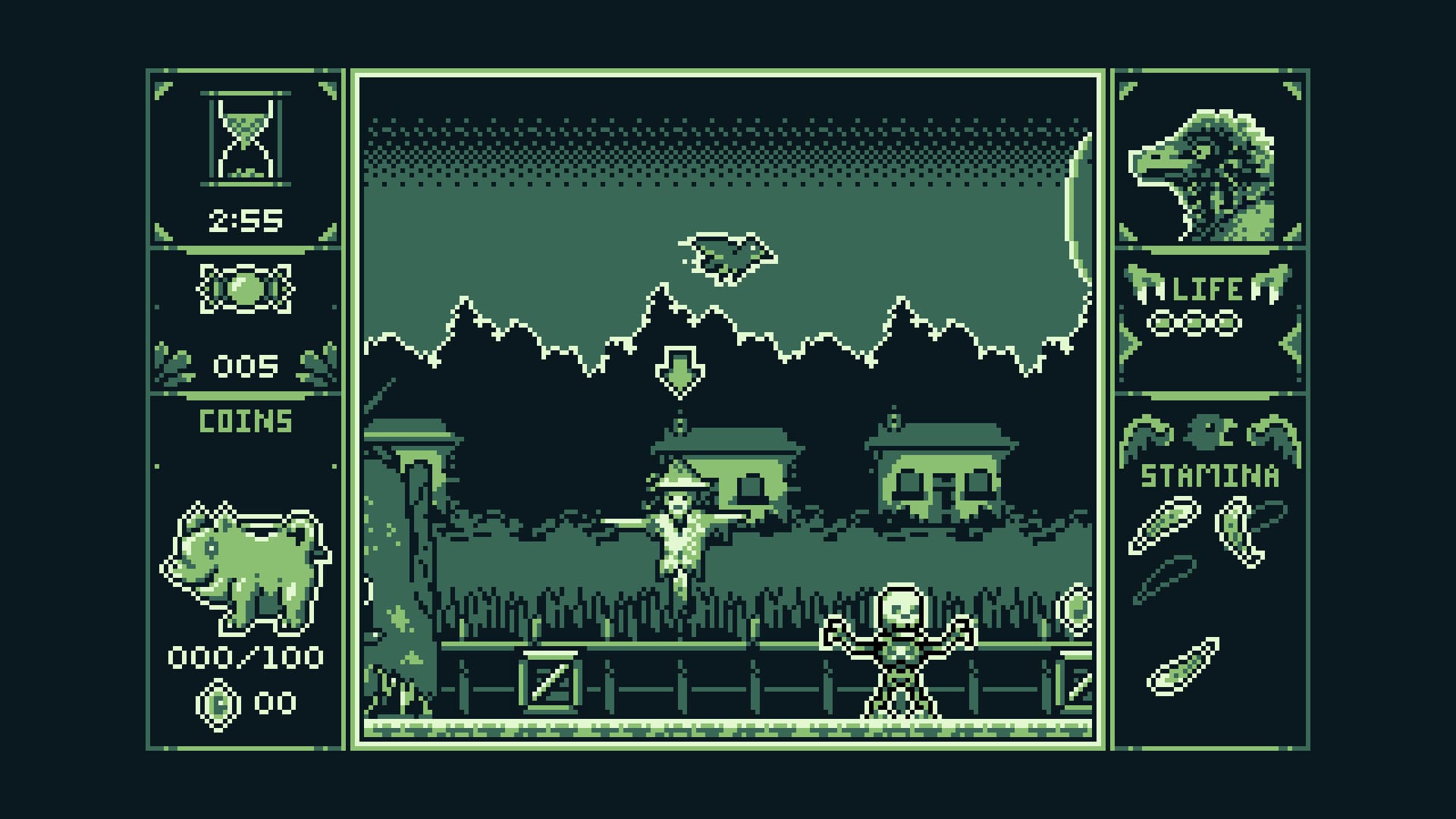

The Rise of Indie Games: Shaping the Future of the Gaming Industry
The gaming landscape has witnessed a remarkable transformation over the last decade, particularly with the emergence of indie games. These independently developed titles have not only diversified the market but have significantly influenced mainstream gaming trends. As we delve deeper into this phenomenon, we’ll explore the impact of indie games on player experiences, game development, and the broader gaming industry.
Game Overview
Indie games, characterized by their unique artistic styles, innovative gameplay mechanics, and often heartfelt narratives, have carved a niche in the hearts of gamers. With limited budgets compared to major studios, indie developers often rely on creativity and passion to deliver compelling experiences. Titles like “Hollow Knight,” “Celeste,” and “Stardew Valley” have set high benchmarks for quality and originality, showcasing that captivating video games don’t always require large financial backing.
Gameplay and Features
One of the distinguishing features of indie games is their diverse gameplay styles. While many major releases rely on tried-and-true formulas, indie titles often experiment with unconventional mechanics. For instance:
- Exploration and Discovery: Many indie games prioritize player exploration, encouraging players to sink hours into discovering hidden secrets and lore.
- Story-Driven Experiences: Indie games frequently focus on narrative depth, offering stories that resonate on an emotional level.
- Unique Visual Styles: Art direction in indie games can vary immensely, from pixel art to hand-drawn animations, each adding to the unique experience.
These elements not only enhance gameplay but also foster a strong emotional connection between players and the game.
Graphics and Performance
While graphics have traditionally been the focal point of AAA game development, indie games demonstrate that visual fidelity isn’t the only measure of a game’s worth. Titles like “Journey” and “Gris” exemplify how art style can evoke feelings and create memorable experiences, irrespective of graphical power. Furthermore, indie games often optimize performance for various platforms, ensuring smooth gameplay across PCs and consoles.
Multiplayer and Community
Multiplayer gaming has seen a resurgence in the indie space as developers find innovative ways to integrate cooperative and competitive elements. Games like “Among Us” and “Fall Guys” have not only entertained but also fostered vibrant communities. The social aspect, especially during the pandemic, has led to a surge in player engagement. Game developers are increasingly recognizing the importance of community feedback in shaping future updates, leading to an evolving gaming experience.
Game Development and Updates
The development process for indie games is often a labor of love. Many developers self-fund their projects, leading to prolonged development cycles but also allowing for immense creative freedom. Initiatives like Kickstarter and Steam Early Access have revolutionized how developers approach funding and audience engagement, allowing players to participate in the development journey. Regular updates, responding to player feedback, and bug fixes have become standards in this sector, ensuring that the community feels involved in the evolution of the game.
Gaming Industry Trends
The success of indie titles has shifted industry dynamics significantly. As major studios look toward monetization strategies through downloads and in-game purchases, indie developers show that creativity can prevail. The following trends have emerged:
- Cross-Platform Play: Many indie games support cross-platform gaming, allowing players from different ecosystems to play together, breaking down barriers.
- Diverse Narratives: Indie developers are leading the charge in storytelling that encompasses a variety of cultures and experiences, expanding the narrative landscape of video games.
- Environmental and Social Themes: More games are addressing significant issues, resonating with players who are increasingly aware of social and environmental concerns.
Challenges and Future Updates
Despite their success, indie games face several challenges. Funding remains a significant barrier, as many developers struggle with financial stability post-launch. Additionally, the competitive market makes visibility a daily struggle, leading many gems to be overlooked. Nevertheless, platforms like Steam, itch.io, and consoles’ indie showcases offer hope for new titles to gain traction.
Looking ahead, updates will focus on evolving gameplay, enhancing player experience, and ensuring that community feedback shapes future iterations of these beloved games.
FAQ
Q: What is an indie game?
A: Indie games are developed by individuals or smaller teams without the backing of large publishers, often focusing on unique gameplay and storytelling.
Q: Why are indie games so popular?
A: Their innovative mechanics, emotional narratives, and artistic diversity resonate with players, offering fresh experiences that differ from mainstream titles.
Q: Where can I find indie games?
A: Indie games are available on various platforms, including Steam, itch.io, and the respective online stores for popular consoles.
Conclusion
The indie gaming movement is more than just a trend; it represents a cultural shift in how games are made and experienced. By breaking traditional molds, these developers offer gameplay that prioritizes creativity, community, and emotional depth. As we look toward the future, it’s clear that indie games will continue to shape the gaming industry, providing diverse narratives and experiences that resonate within the ever-evolving world of video games.