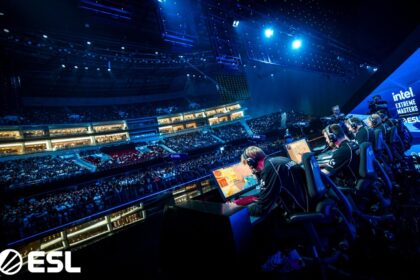



The Rise of Esports: A Deep Dive into Competitive Gaming Trends
The esports industry has evolved dramatically, capturing the attention of millions worldwide. With an increasing number of players, tournaments, and lucrative sponsorships, it stands as a formidable segment within the broader gaming landscape. In this article, we will explore the current state of esports tournaments, analyze team strategies, investigate player performance, and highlight the trends shaping the future of competitive gaming.
Tournament and Gaming News Overview
Esports tournaments have become global phenomena, attracting not only gamers but also mainstream audiences. Events such as The International in Dota 2 and the League of Legends World Championship exemplify the intersection of gaming and spectacle. Recently, 2023 has seen significant announcements regarding new tournament formats and prize pools that reach into the millions, reflecting the growing investment in the esports sector. Many gaming leagues are shifting towards online qualifiers to accommodate a broader base of competitors, further solidifying the democratization of esports.
Team and Player Performance
As the esports scene becomes increasingly competitive, individual performance metrics have become critical. Teams like T1 in League of Legends and Team Secret in Dota 2 have set the bar high with stellar player rosters and synchronization in team play. The rise of performance analytics tools has allowed teams to measure individual contributions, helping coaches and management develop targeted training regimens. High-profile players, such as Faker and N0tail, are often cited not just for their gameplay but also for their leadership and ability to adapt to evolving meta changes.
Competitive Strategies and Meta Analysis
Understanding the meta is crucial for success in esports. The current metagame reflects specific strategies that dominate various competitive titles. For instance, in Valorant, the emphasis on agent compositions can greatly affect team tactics. Teams now employ data-driven approaches to shift strategies mid-tournament, maximizing adaptability. Sports analysts frequently discuss whether aggressive playstyles or defensive stances yield better results based on meta shifts influenced by patches and game updates. This dynamic nature keeps professional gamers on their toes, pushing for continuous improvement.
Streaming and Esports Industry Trends
The streaming landscape is integral to the esports industry, with platforms like Twitch and YouTube Gaming creating spaces where enthusiasts can consume content live or on-demand. Recent partnerships between esports organizations and streaming services have resulted in exclusive broadcasts of major tournaments, bringing heightened exposure to players and coaches. Additionally, the rise of content creation among professional gamers adds another layer to their career—players now have the opportunity to monetize their skills outside of tournaments through streaming and brand sponsorships. This multifaceted approach to engagement fuels the growth of the esports ecosystem.
Coaching and Training Insights
Behind every successful team is a robust coaching infrastructure. Modern esports teams employ analysts and mental coaches to enhance performance. The training regimen often includes strategy sessions, practice matches, and mental conditioning to handle the pressure of high-stakes environments. Notably, the role of the coach has expanded from merely instructing players to also managing team dynamics and fostering a winning culture. This holistic approach to training emphasizes the importance of teamwork along with individual skills.
Challenges in Competitive Gaming
Despite the booming success of esports, various challenges persist. Issues such as player burnout, mental health concerns, and the need for long-term career sustainability are increasingly under scrutiny. Additionally, maintaining fair play integrity through anti-cheat measures remains critical as the competitive landscape evolves. Many organizations are investing in player welfare programs, recognizing that a healthy mind is as vital as skill in securing victories.
The Future of Esports
Looking ahead, the esports industry is poised for exponential growth. Innovations in gaming technology, such as virtual reality and augmented reality, promise to change the competitive landscape. Moreover, the integration of blockchain technology for transparent player contracts and digital assets could redefine how players engage with organizations. With these advancements, the threshold for entering the world of competitive gaming will likely continue to lower, welcoming a diverse new generation of players.
FAQ
- What are esports tournaments? Esports tournaments are competitive gaming events where players or teams compete against each other, often for substantial cash prizes.
- How do professional gamers train? Professional gamers undergo rigorous training regimes that include practicing game mechanics, studying strategies, and participating in scrims with their teams.
- What is the current state of esports leagues? Esports leagues are continuously evolving, with new formats and partnerships emerging, reflecting the industry’s growth and demand.
- How important is streaming for esports? Streaming is crucial as it allows players and teams to build their brand, engage with fans, and generate additional revenue streams.
Conclusion
The esports industry has come a long way, establishing itself as a robust segment of the gaming world. With tournaments growing in scale and popularity, and the burgeoning professional scene offering new opportunities, the future of competitive gaming looks bright. As we follow these changes, staying informed about esports news and trends will be essential for fans, players, and organizations alike.