

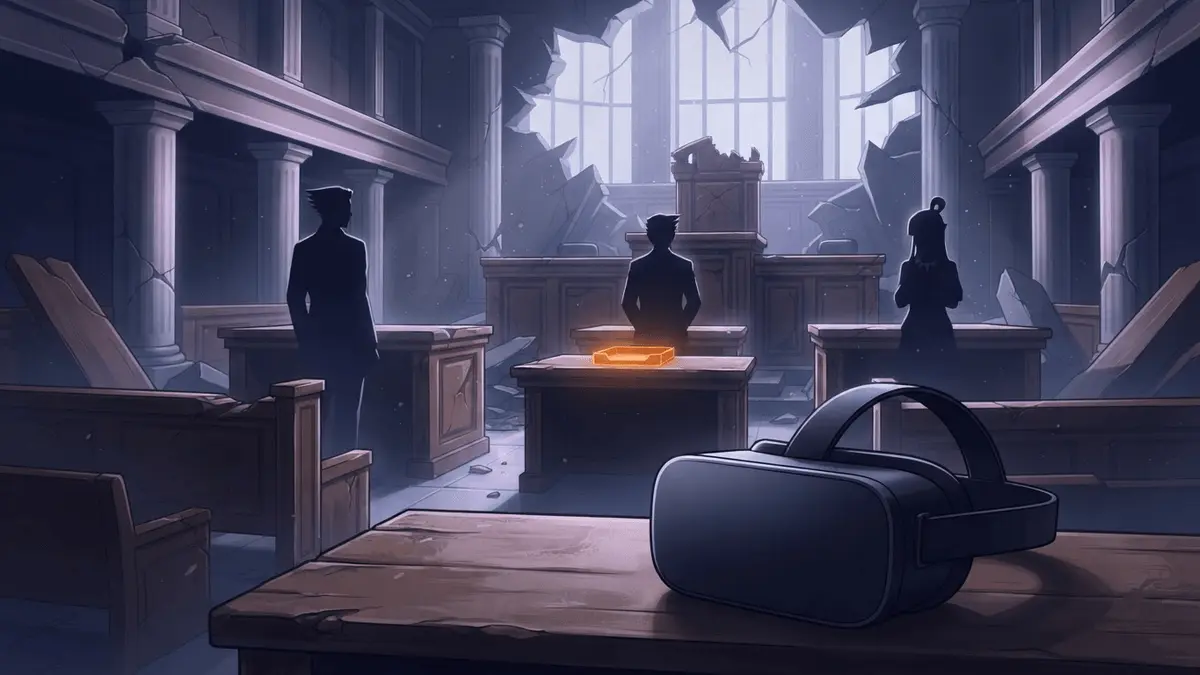

The Rise of Long-Form Games: Exploring Compelling Narratives in Today’s Gaming Landscape
The gaming industry is continuously evolving, with trends emerging that redefine how we experience video games. One of the most significant trends observed in recent years is the rise of long-form games, which prioritize deep storytelling and immersive gameplay. This article dives deep into this phenomenon, analyzing its impact on player experience, game development, and the future of gaming technologies.
Game Overview
Long-form games differ from the traditional short-play experiences that characterized earlier gaming years. These titles often feature extensive narratives, expansive worlds, and rich character development, offering players hours, if not days, of gameplay. Popular examples include “The Witcher 3,” “The Legend of Zelda: Breath of the Wild,” and upcoming games like “Starfield.” Each of these games encapsulates the philosophy behind long-form storytelling — delivering not merely a game but an experience.
Gameplay and Features
The hallmark of long-form games is their gameplay structure, which typically includes:
- Diverse Gameplay Mechanics: Engaging players through various activities, including crafting, combat, and puzzle-solving.
- Dynamic Worlds: Open-world settings where players can explore at their own pace, with countless side quests that enrich the main story.
- Character Development: In-depth narrative arcs that prioritize character growth, emotional investment, and player choice.
For instance, “Horizon Forbidden West” combines exploration with a compelling narrative that evolves as you progress, showcasing how gameplay features enhance the overall experience.
Graphics and Performance
With advancements in gaming technology, long-form games are pushing the boundaries of graphics quality. Modern titles use powerful engines like Unreal Engine and proprietary tools to deliver stunning visuals that create believable worlds. These graphical enhancements are complemented by improved performance on both PC and console gaming platforms.
“God of War: Ragnarök,” for example, is a testament to how realistic graphics can elevate storytelling, offering players visually breathtaking scenes that resonate emotionally. Players expect smooth gameplay with complex graphics that fully exploit hardware capabilities.
Multiplayer and Community
While long-form games often have a strong emphasis on single-player narratives, many are now incorporating multiplayer elements that enrich the experience. This contributes to vibrant communities, where gamers can share tips, discuss theories, and engage in cooperative or competitive gameplay.
Games like “Genshin Impact” have effectively blended long-form narrative with multiplayer gaming, allowing teams to tackle expansive challenges while highlighting individual storytelling elements. The ability to collaborate with friends enhances player engagement and fosters community building.
Game Development and Updates
The development of long-form games poses unique challenges for studios. Developers must balance delivering immersive content while ensuring that the game remains engaging throughout its length. Regular updates and expansions are crucial to maintaining player interest.
For example, “Final Fantasy XIV” has seen phenomenal success due to its continuous updates and expansions, which bring new storylines and gameplay features. This illustrates the necessity of an adaptive development approach in the fast-paced gaming market.
Gaming Industry Trends
The rise of long-form games reflects broader trends in the gaming industry, such as:
- Increased Focus on Storytelling: Players are gravitating toward narratives that feel authentic and relatable.
- Emphasis on Quality Over Quantity: Studios are investing more time and resources into fewer, high-quality titles.
- Accessible Gaming: Long-form games often include accessibility features, making them welcoming to a wider audience.
With the gaming community evolving, developers are keenly aware of the demand for more nuanced, thoughtful gameplay experiences.
Challenges and Future Updates
Despite the rise of long-form games, challenges persist. Costly development processes and high player expectations pose risks for studios. Moreover, the increasing complexity of these games can lead to bugs and unfulfilled promises, diminishing player trust.
Looking ahead, studios are likely to focus on refining gameplay mechanics, enhancing graphics, and maintaining community engagement through regular content updates. Upcoming titles will need to carefully navigate these challenges while aiming to set new standards in gaming.
FAQ
- What defines a long-form game?
A long-form game typically features expansive narratives, deep character development, and extensive gameplay that keeps players engaged for long periods. - Are there benefits to long-form games?
Yes, they provide a rich storytelling experience and often build strong player communities, enhancing overall engagement. - What are some popular long-form games?
Notable titles include “The Witcher 3,” “Breath of the Wild,” and “Elden Ring.” - How do graphics affect long-form games?
High-quality graphics enhance immersion and emotional connection, making gameplay feel more engaging.
Conclusion
The emergence of long-form games marks a pivotal shift in the gaming landscape, highlighting the industry’s tendency toward more in-depth storytelling and extended player engagement. As technology advances and player preferences evolve, the future of long-form gaming promises exciting opportunities for developers and gamers alike. Staying tuned to gaming news will be crucial as we witness how this trend unfolds, delivering greater narratives and immersive experiences that connect players like never before.