

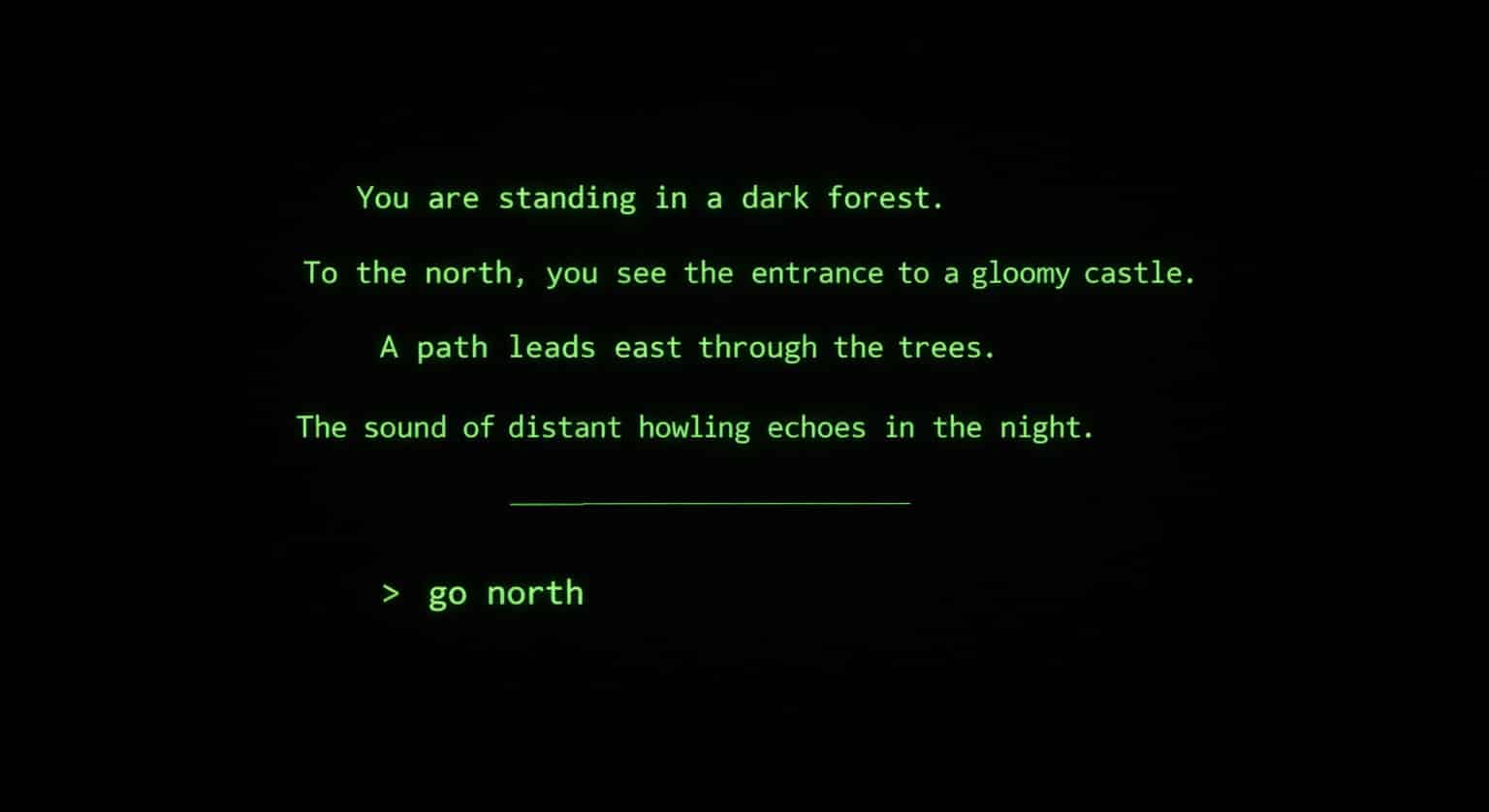
At the heart of the gaming evolution lies the enduring legacy of Multi-User Dungeons (MUDs)—a genre that redefined online interaction through text-based immersive experiences. Long before the advent of modern MMORPGs, MUDs established the groundwork for multiplayer engagement within shared virtual realms, fostering community dynamics that echo in today’s persistent online worlds.
Core Gameplay Features
Emerging in 1978 at the University of Essex, MUDs pioneered the concept of shared virtual environments. Initially conceptualized as multiplayer expansions of text adventure games like “Colossal Cave Adventure,” the first MUD seamlessly transitioned gameplay from solitary puzzles to collaborative interactions. Players engaged through a command-driven interface, inputting directives like “north” or “go north” to navigate their surroundings while encountering fellow adventurers in the same realm. This transformative shift from individual gaming to shared experiences laid the foundational mechanics of community-driven gameplay that persist in modern genres.
The interactive nature of MUDs allowed for emergent social systems to form organically. As players began sharing their adventures, alliances were forged, rivalries ignited, and clans were established, reflecting deeply human social behaviors within a digital context. This premier sense of camaraderie and competition set the stage for the cooperative and competitive gameplay dynamics that shape contemporary MMORPGs.
Graphics and Performance
While MUDs operated without the graphical interfaces that define modern gaming, they thrived on the strength of their textual descriptions. The environments were painted vividly through words, urging players to engage their imaginations. For example, a simple room description might read: “A vast marble hall stretches before you. Torches flicker along the walls, casting dancing shadows across the stone floor.” Such prompts not only sought to immerse players but also demanded active participation in world-building, as each individual could visualize the space uniquely.
This approach cultivated a unique form of gameplay in which players contributed to a co-constructed narrative, reminiscent of collaborative storytelling more than traditional video gaming. The lack of visual distractions allowed for a more significant emphasis on narrative depth and player agency, showcasing how players could shape their experiences through dialogue and interaction rather than through visual fidelity.
Multiplayer Systems
MUDs were inherently designed as social experiments, evolving into spaces where governance and community ethics were trialed long before issues of online conduct became mainstream discussions. Notably, LambdaMOO, launched in 1990, served as a prototype for current social platforms, where players could build expansive digital environments, host events, and engage with one another in meaningful ways. However, the open system also led to important debates, such as the infamous “A Rape in Cyberspace” incident, which sparked discussions of digital consent and community moderation—an ongoing dialogue in today’s online environments.
The foundational multiplayer mechanics established by MUDs influenced the structure of modern gaming systems. As the internet landscape evolved through the 1990s, developers began to ask how these core principles could be adapted with graphical enhancements, resulting in the birth of graphical MMORPGs like “Ultima Online” and “EverQuest.” While gameplay modes shifted to utilize mouse controls and skill hotbars, the core systems of MUDs regarding persistent worlds and character progression remained intact.
Customization and Controls
Customization in MUDs primarily revolved around character development and narratives shaped by player choice. Players often crafted their narratives and identities, participating in rolebased dynamics that allowed unique expressions of creativity. Some MUDs, such as MUCKs and MOOs, focused heavily on community building and storytelling, wherein players could create not only their characters but also entire worlds and communities within the game. This bespoke approach enabled an environment where creativity flourished, setting precedents for customizable experiences seen in contemporary titles.
Technical Improvements
While the graphics of MUDs were non-existent, their gameplay experiences have indeed evolved. Today’s MUDs remain accessible through web clients, enhancing user experience without the need for extensive technical setups. Options like connection via dedicated MUD clients or even classic Telnet provide varying avenues of engagement, mirroring the easy accessibility that follows contemporary gaming trends while retaining the nostalgic charm of early text adventures.
Community Response
The MUD community has not only persisted but appears to be undergoing a renaissance as players seek nostalgic connections to gaming’s roots. Communities remain active, thriving on platforms such as Reddit’s r/MUD, catering to both seasoned players and newcomers looking to explore this rich lineage. With environments offering deep mechanics and immersive roleplay elements, players flock to MUDs for a unique blend of nostalgia and community-driven storytelling lacking in many modern games.
Future Updates
MUDs have transcended traditional gaming space, morphing into living tapestries where narratives and player interactions continually evolve. They retain a unique status in gaming history, not just as relics but as pivotal experiences that shaped the online landscape we navigate today. They remind us that even in an era defined by graphical prowess and microtransactions, the power of shared imagination and community remains everlasting.