


Valorant: The Evolution of Tactical FPS Esports
The competitive gaming landscape is ever-evolving, and at the forefront of this transformation is Valorant, Riot Games’ tactical first-person shooter. Since its launch in June 2020, Valorant has established itself as a dominant player in the FPS esports scene, showcasing thrilling gameplay, diverse agents, and strategic depth. This article delves into the intricacies of Valorant, focusing on gameplay mechanics, agents, the ranked environment, recent patch updates, and the vibrant esports ecosystem surrounding the title.
Valorant Overview
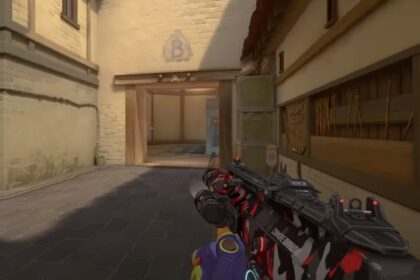
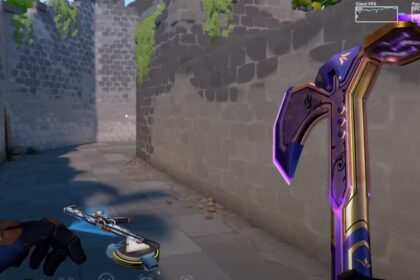
Valorant combines precise gunplay with unique agent abilities, creating a competitive experience that rewards both individual skill and team synergy. Set in a near-future Earth, players take on the roles of characters called agents, each possessing special abilities that enhance the tactical aspects of gameplay. The focus on strategy, communication, and adaptability has allowed Valorant to capture the interest of the global esports community.
Agents and Meta Analysis
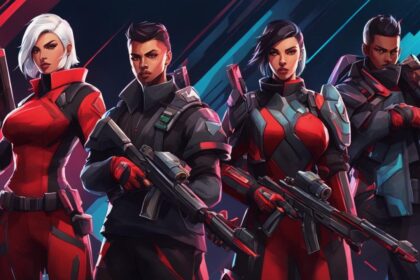
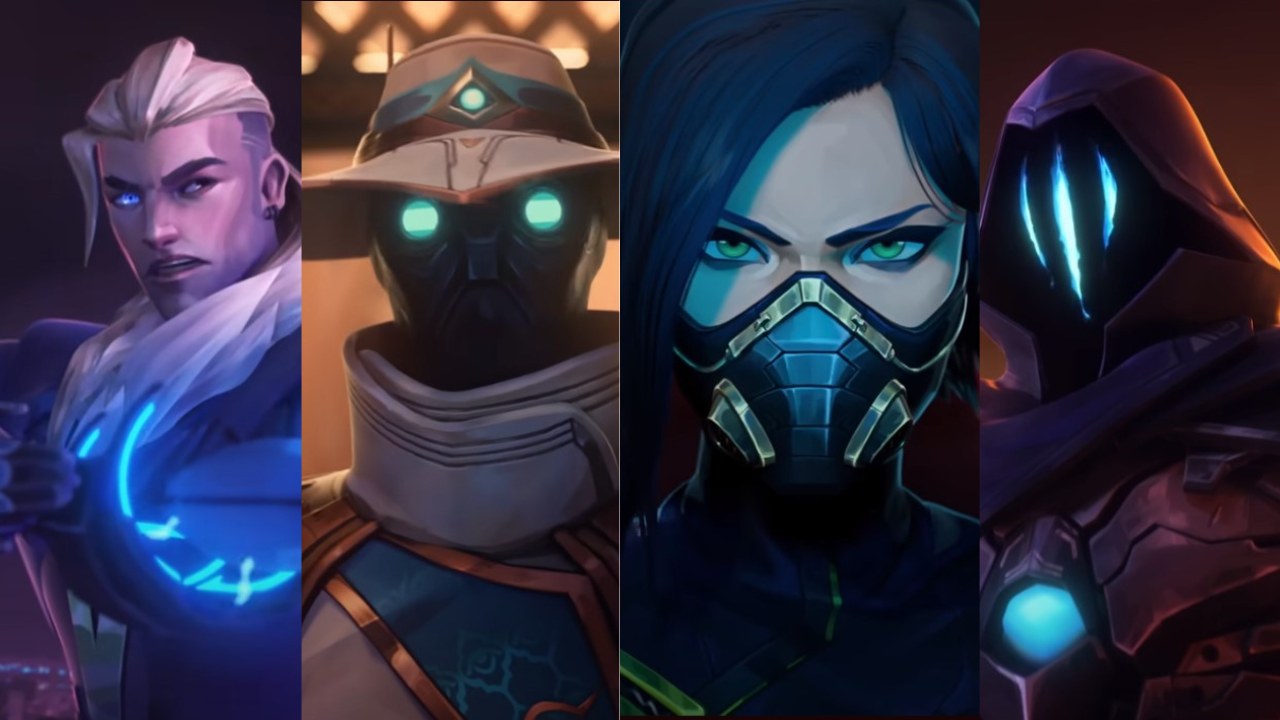
Valorant features a diverse cast of agents, each categorized into four roles: Duelists, Controllers, Initiators, and Sentinels. Understanding these roles is crucial for devising effective team compositions. For example:
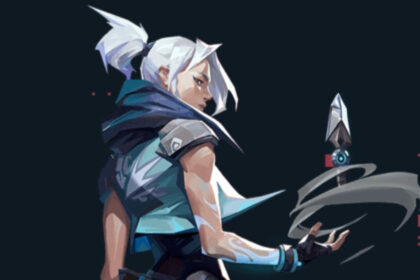
- Duelists like Jett excel in offensive situations, boasting abilities that promote aggressive plays.
- Controllers such as Viper can manipulate the battlefield, blocking sightlines and controlling space.
- Initiators like Sova can gather intelligence and create openings, allowing the team to exploit weaknesses.
- Sentinels such as Sage focus on defense and healing, providing essential support to their teammates.
Meta analysis reveals ongoing shifts as players adapt to new strategies and approaches. Regular updates and balance changes from Riot Games ensure that no single agent remains overpowered for too long, encouraging a dynamic play environment.
Gameplay Strategies and Map Control
Successful gameplay in Valorant hinges on mastering map control and employing sound strategies. Maps are designed with various sightlines, choke points, and bomb sites, encouraging teams to devise strategies that optimize their strengths. Key strategies include:
- Utilizing Abilities: Leveraging agent abilities to control engagements and site takes.
- Communicating Effectively: A strong communication framework is essential for coordinating attacks and defenses.
- Map Awareness: Understanding enemy positioning and adapting strategies based on sightlines.
Adapting to opponents and refining strategies over time remains a hallmark of competitive Valorant play.
Ranked and Competitive Scene
The ranked mode of Valorant offers players a structured environment to test their skills, leading to progression through various ranks, from Iron to Radiant. Players frequently engage in ranked matches, striving to achieve higher tiers while implementing strategies developed in casual matches.
The ranked scene has a significant influence on gameplay evolution, as players analyze trends and adapt their strategies accordingly. This level of dedication fosters a competitive spirit, driving players to hone their skills continuously.
Esports Teams and Tournaments
The growth of the Valorant esports scene has been remarkable since its inception. Numerous professional teams, such as Sentinels, Fnatic, and Gambit, have emerged, attracting top players who compete in prestigious tournaments. Events like VCT (Valorant Champions Tour) have solidified Valorant’s position within the esports ecosystem, featuring intense battles that showcase peak strategy and skill.
These tournaments not only provide entertainment but also fuel collaboration between players, coaches, and analysts, enhancing the overall quality of competitive Valorant.
Riot Games Updates and Patch Notes
Riot Games consistently releases updates to address balance and improve the overall gameplay experience. Each patch cycle includes balance adjustments for weapons, agent abilities, and various gameplay elements. The detailed Valorant patch notes allow players to stay informed about changes that may impact their gameplay and strategies.
Regular patches also serve to keep the community engaged, as they encourage players to adapt to the shifting landscape and explore new meta options.
Community Reactions and Future Trends
The Valorant community is active and vocal, providing feedback on gameplay mechanics, balance changes, and proposed updates. This direct communication channel between the developers and players fosters a sense of collaboration, ensuring that the game evolves in ways that resonate with its audience.
Looking forward, trends in competitive gaming suggest an increasing focus on the integration of spectator experiences, including enhanced viewer analytics and interactive features for audiences during major tournaments.
FAQ
- What is Valorant? Valorant is a tactical first-person shooter developed by Riot Games, combining team-based gameplay with unique agent abilities.
- How does the ranked system work? Players progress through ranks in competitive matches, where performance influences their skill ratings and matchmaking.
- Are there regular updates for the game? Yes, Riot Games releases regular patch notes to balance gameplay and introduce new content.
- What major tournaments are held for Valorant? Major events include the Valorant Champions Tour (VCT) and various regional competitions featuring top teams worldwide.
Conclusion
Valorant continues to shape its identity within the competitive gaming world. With its innovative gameplay mechanics, diverse agent roster, and evolving metas, the game remains a pivotal player in the FPS esports scene. The ongoing support from Riot Games, paired with community engagement, ensures that Valorant is not just a game but a dynamic platform for competitive excellence.