

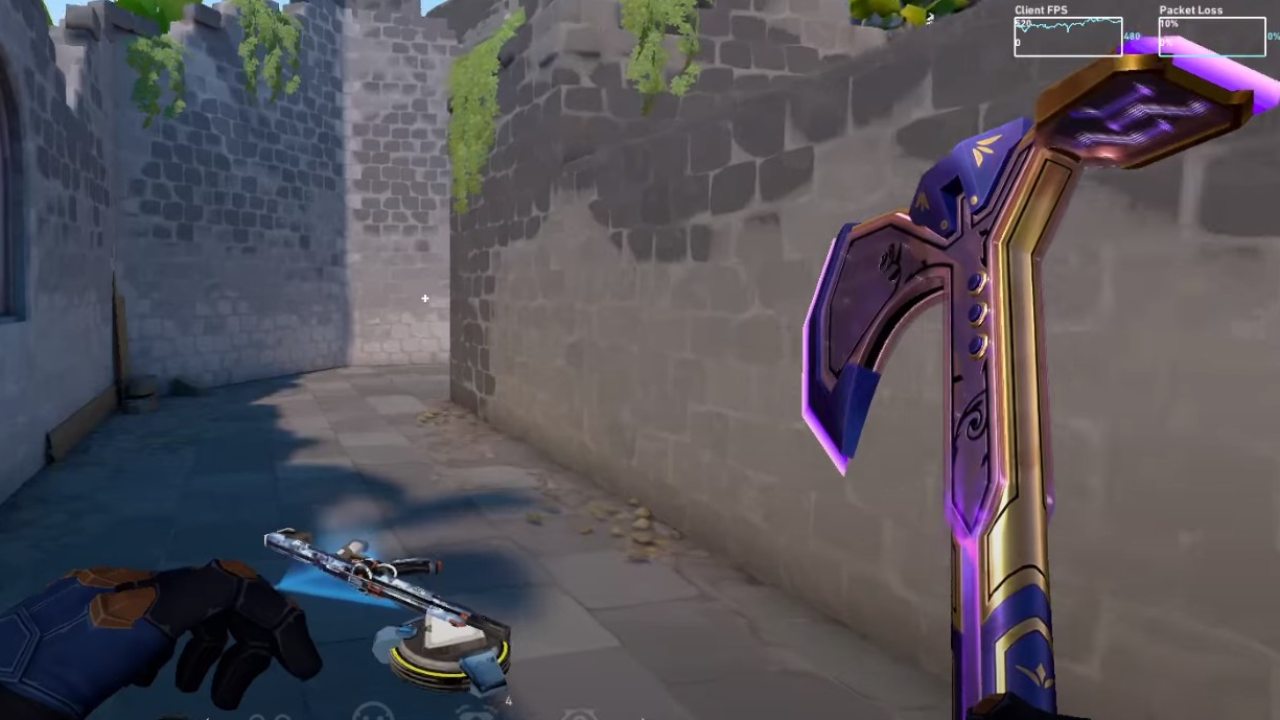

Valorant, a tactical first-person shooter developed by Riot Games, has rapidly risen to prominence within the esports community. This article delves into the various facets of Valorant gameplay, from its diverse agents to the competitive scene that has evolved around it.
Valorant Overview
Released in June 2020, Valorant quickly established itself as a staple in the competitive gaming landscape. Combining elements of traditional FPS games with unique character abilities, it offers a fresh take on the genre. Players engage in strategic gameplay that requires teamwork, communication, and a deep understanding of game mechanics.
Agents and Meta Analysis
Central to Valorant’s charm are its agents, each bringing their unique abilities to the battlefield. With over 20 agents currently available, players can choose from various roles, including Duelist, Controller, Initiator, and Sentinel. Understanding the meta is crucial, as certain agents can dominate in particular patches or settings. For instance, while Duelists like Jett and Reyna are favored for their aggressive playstyles, Controllers like Omen and Brimstone are essential for setting up strategies and controlling sightlines.
Gameplay Strategies and Map Control
Effective gameplay in Valorant hinges on solid map control and strategic positioning. Mastery of the various maps, like Haven and Split, allows players to dictate the pace of the match. Communication between teammates is critical, ensuring that agents can utilize their abilities optimally. Teams often adopt strategies, from aggressive pushes to cautious plays, depending on their composition and the opposing team’s strengths.
Ranked and Competitive Scene
The ranked mode in Valorant offers players a chance to compete based on skill. The ranking system consists of several tiers, with incentives to improve and climb the ladder. As players advance from Iron to Radiant, they face increasingly skilled opponents, honing their abilities further. The competitive scene thrives on this system, with top players often showcasing their skills in tournaments and streams.
Esports Teams and Tournaments
Valorant esports has witnessed exponential growth, with numerous tournaments like VALORANT Champions and VCT (Valorant Champions Tour) leading the charge. Renowned teams such as Sentinels, Fnatic, and Cloud9 have risen to prominence, bringing a mix of skilled players and innovative strategies to the forefront. The clash of these teams at international events captivates audiences, creating a vibrant community around the game.
Riot Games Updates and Patch Notes
Riot Games consistently updates Valorant, introducing new features, agents, and balancing changes through regular patch notes. Updates often address agent abilities, weapon performance, and game mechanics, aiming to maintain a balanced and competitive environment. For example, the recent patch notes highlighted adjustments to weapon accuracy and changes to certain agent abilities that shifted the meta considerably.
Community Reactions and Future Trends
The Valorant community actively engages with the game and its developments through social media and forums. Reactions to patches and updates can vary, with some players embracing changes while others voice concerns about balance. As competitive FPS gaming evolves, Valorant’s gameplay and balance will likely continue adapting to player feedback and industry trends.
FAQ
- What is Valorant? Valorant is a tactical FPS created by Riot Games, combining traditional shooting mechanics with unique agent abilities.
- How does the ranked system work? Ranked Valorant features tiers that players advance through based on performance in competitive matches, from Iron to Radiant.
- What are the major tournaments in Valorant esports? Major tournaments include VALORANT Champions and the Valorant Champions Tour (VCT).
- How often does Riot Games release patch notes? Riot Games regularly provides updates and patch notes, generally on a bi-weekly or monthly basis.
- What role do agents play in the game? Agents have unique abilities that influence gameplay, strategy, and team dynamics, with each role serving a specific purpose.
Conclusion
As Valorant continues to evolve, it solidifies its position in the esports ecosystem. With strategic gameplay, diverse agents, and a competitive scene driven by passionate players and teams, the future of Valorant looks promising. Riot Games’ commitment to continuous updates ensures that the game will remain dynamic and engaging for both casual and professional players alike.